Bring Life to Your Living Space
Bring Life to Your Living Space

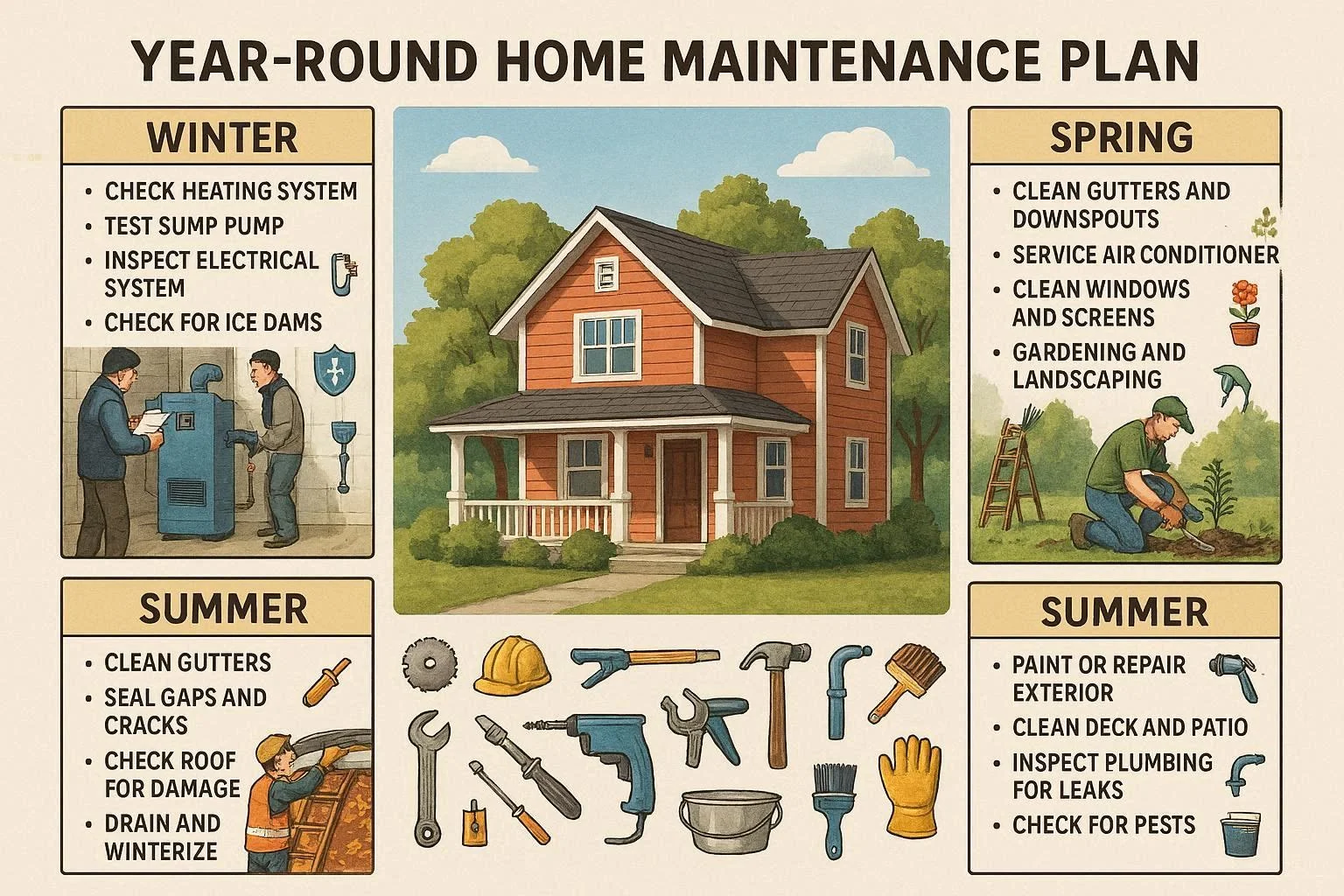
Owning a home comes with ongoing responsibilities, and staying ahead of maintenance tasks can save time, money, and stress. Instead of waiting for problems to appear, homeowners can benefit from creating a year-round maintenance plan that keeps essential systems operating efficiently. A well-organized approach helps prevent costly repairs, improves comfort, and protects the value of your property. Whether you’re maintaining plumbing, roofing, landscaping, or working with an HVAC Contractor to keep your heating and cooling system in top condition, a maintenance plan can make homeownership much easier.
Breaking maintenance tasks into seasons is one of the easiest ways to stay organized. Each season presents unique challenges and opportunities for preventive care.
In the spring, focus on inspecting your home’s exterior for damage caused by winter weather. Check roofing materials, gutters, siding, and outdoor plumbing fixtures. Spring is also a great time to service your air conditioning system before summer temperatures arrive.
During the summer, inspect decks, patios, and outdoor living spaces. Trim trees and shrubs away from your home and check irrigation systems for leaks or inefficiencies. This is also a good time to monitor your cooling system’s performance during periods of heavy use.
Fall should be dedicated to preparing for colder weather. Clean gutters, inspect weather stripping around doors and windows, and schedule heating system maintenance. Many homeowners choose to work with an HVAC Contractor during this time to ensure their furnace is ready for winter.
Winter maintenance often focuses on safety and monitoring. Watch for ice dams, inspect exposed pipes for signs of freezing, and check for drafts that may increase heating costs.
A written checklist helps ensure important tasks don’t get overlooked. Divide your checklist into monthly, seasonal, and annual categories.
Monthly tasks may include:
Seasonal tasks can include gutter cleaning, landscaping maintenance, HVAC inspections, and weatherproofing.
Annual tasks may involve roof inspections, water heater flushing, chimney inspections, and evaluating major appliances.
Keeping a checklist in a digital calendar or home maintenance app can make it easier to stay on track.
Unexpected repairs can strain any household budget. Setting aside funds throughout the year for maintenance expenses helps reduce financial surprises.
Many experts recommend allocating a portion of your annual budget toward home upkeep. Routine inspections and preventative maintenance often cost far less than emergency repairs or major system replacements.
Planning ahead also allows you to schedule services when convenient rather than scrambling during a breakdown.
While every part of a home requires attention, certain systems deserve extra focus. Heating, cooling, plumbing, electrical, and roofing systems play a major role in daily comfort and safety.
Regular inspections help identify small issues before they become larger problems. Working with qualified professionals, including an experienced HVAC Contractor, can help ensure critical systems receive proper care throughout the year.
The key to a successful home maintenance plan is consistency. Small tasks performed regularly are often more effective than large projects completed only when problems arise.
By creating a year-round maintenance schedule, homeowners can protect their investment, improve energy efficiency, and enjoy greater peace of mind. A little planning today can help prevent costly repairs and unexpected disruptions in the future.