Bring Life to Your Living Space
Bring Life to Your Living Space

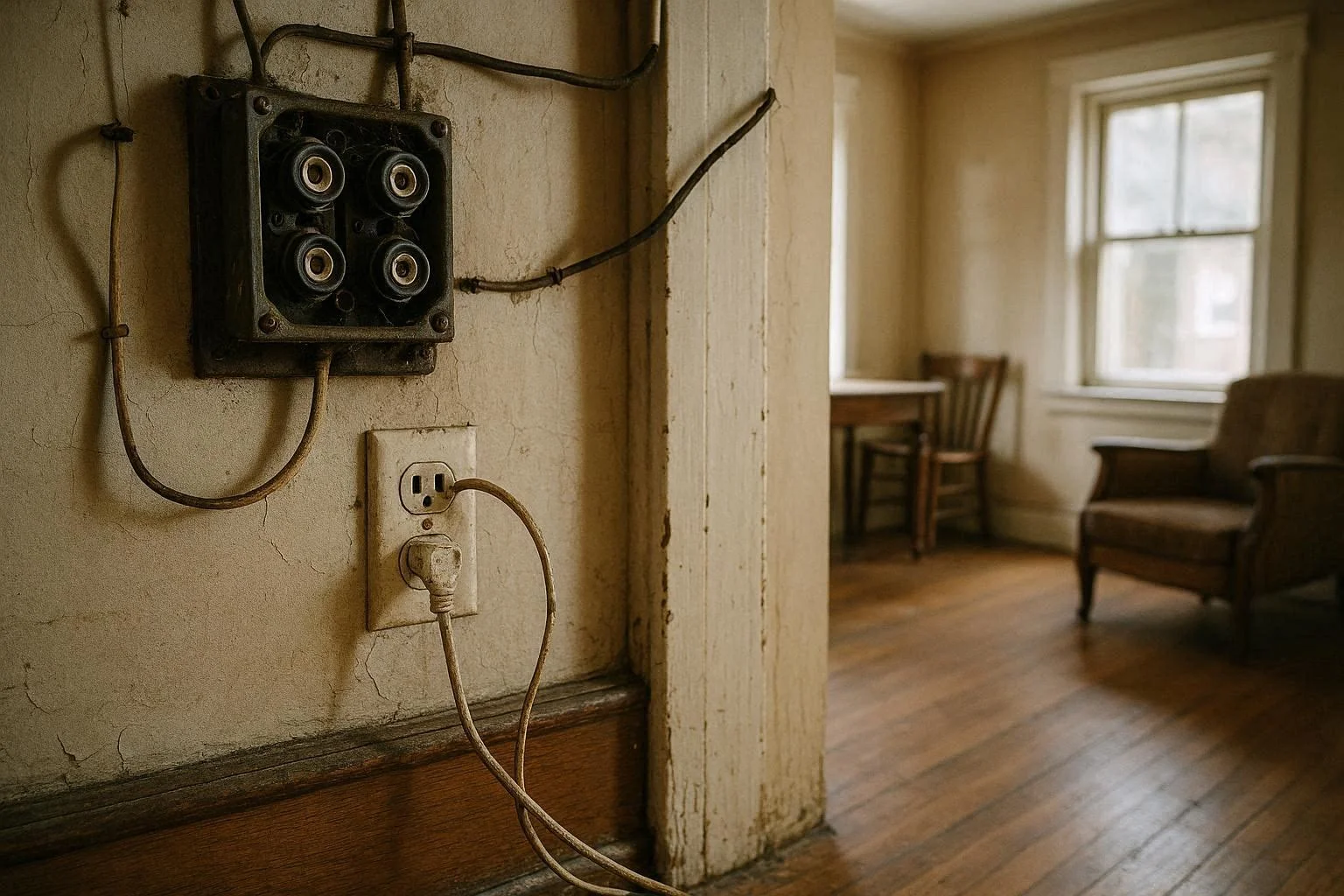
Older homes offer charm, character, and unique architectural details that many homeowners appreciate. However, beneath the attractive features may be aging electrical systems that struggle to meet the demands of modern living. Electrical issues in older homes can affect safety, efficiency, and overall comfort. Understanding some of the most common electrical problems can help homeowners recognize warning signs and address concerns before they become serious.
One of the most common electrical issues in older homes is outdated wiring. Many houses built decades ago were designed for far fewer electrical devices than the average household uses today. As a result, older wiring systems may become overloaded when required to power modern appliances, electronics, and home entertainment systems.
Outdated wiring can increase the risk of electrical failures and may not meet current safety standards. If homeowners notice flickering lights, frequent breaker trips, or unusual electrical behavior, it may be time to have the wiring professionally inspected.
Circuit breakers are designed to protect a home’s electrical system from overloads and short circuits. In older homes, breakers may trip frequently because the electrical panel was not designed to handle today’s power demands.
Multiple appliances operating on the same circuit can overload the system and cause repeated interruptions. While occasional breaker trips are normal, frequent occurrences may indicate that the electrical system needs evaluation or upgrades.
Older homes often have fewer outlets than modern households require. Homeowners may rely heavily on extension cords and power strips to accommodate additional devices, creating potential safety concerns.
An insufficient number of outlets can increase the likelihood of overloaded circuits and create clutter throughout the home. Adding properly installed outlets can improve both convenience and safety while reducing strain on the electrical system.
Lights that flicker or dim unexpectedly are often signs of an underlying electrical issue. While a single flickering bulb may simply need replacement, widespread lighting problems can indicate loose connections, overloaded circuits, or deteriorating wiring.
These issues should not be ignored, as they may signal more significant electrical concerns that require professional attention.
Electrical panels serve as the central hub of a home’s electrical system. Many older homes still have original panels that were installed decades ago. These panels may lack the capacity needed to safely support modern electrical usage.
An aging electrical panel can contribute to overloaded circuits, power interruptions, and reduced system reliability. Upgrading the panel may improve safety and provide better support for current and future electrical needs.
Many older homes contain two-prong outlets that lack grounding protection. Grounding provides an important safety feature by directing excess electrical current away from devices and occupants.
Without proper grounding, homeowners may face increased risks of electrical shock and equipment damage. Upgrading outlets and ensuring proper grounding can help improve overall electrical safety.
After years of use, switches and outlets can wear out. Loose connections, damaged components, or aging materials may cause outlets to stop working properly or create intermittent electrical problems.
Warm outlets, buzzing sounds, or switches that fail to operate consistently should be inspected promptly to prevent more serious issues.
Older homes often come with electrical systems that require additional attention and maintenance. Issues such as outdated wiring, aging panels, insufficient outlets, and ungrounded circuits can affect both safety and performance. Working with experienced professionals like Ravinia Plumbing, Sewer, Heating & Electric can help homeowners identify potential problems, make necessary upgrades, and ensure their electrical systems continue to operate safely and reliably for years to come.