
Bring Life to Your Living Space
Bring Life to Your Living Space

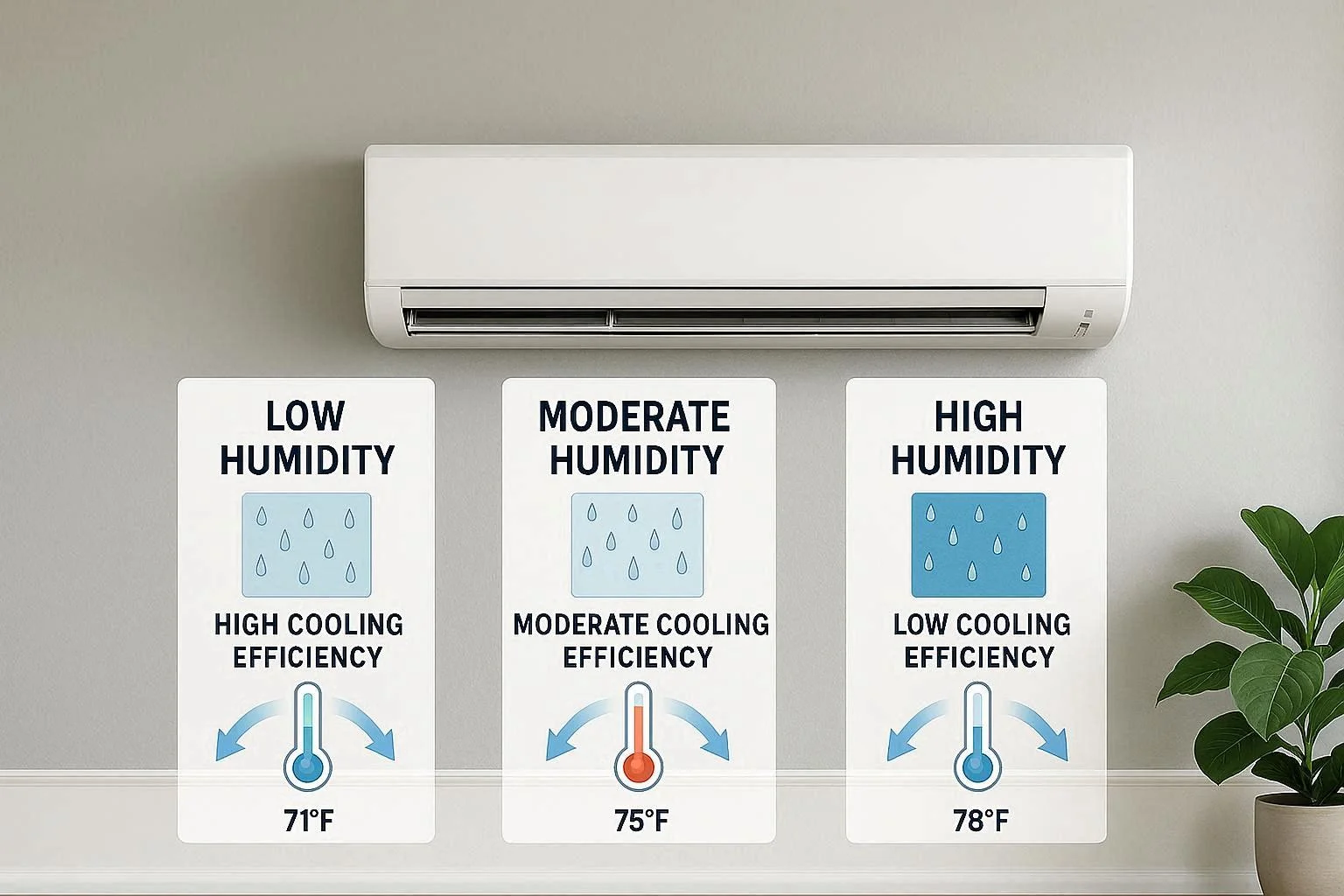
Maryland summers are known for high temperatures and even higher humidity levels. While many homeowners focus on keeping their homes cool, humidity plays a significant role in overall comfort and air conditioning performance. Excess moisture in the air can make your home feel warmer, increase energy consumption, and put additional strain on your cooling system.
Humidity affects how the body naturally cools itself. When moisture levels are high, sweat evaporates more slowly, making indoor spaces feel warmer than the actual temperature. Even if your thermostat is set at a comfortable level, excessive humidity can leave your home feeling sticky and uncomfortable.
Many homeowners respond by lowering the thermostat, which causes the air conditioner to run longer and use more energy.
Air conditioners are designed to cool the air while also removing moisture. During Maryland’s humid summers, your system must work harder to perform both functions effectively.
As humidity rises, the cooling system experiences increased demand, leading to longer operating cycles. This additional workload can place stress on key components such as the compressor, evaporator coil, and blower motor. Over time, the extra strain may lead to reduced efficiency and more frequent repairs.
There are several warning signs that indicate your air conditioner may be struggling with humidity control:
If you notice these issues, your system may not be removing moisture as effectively as it should.
Excess humidity doesn’t just affect comfort—it can also impact indoor air quality. Moist conditions encourage the growth of mold, mildew, and other allergens that can circulate through your home’s air.
High moisture levels can also damage wood flooring, drywall, furniture, and other household materials. Maintaining proper humidity levels helps create a healthier living environment while protecting your home from moisture-related damage.
Routine HVAC maintenance is one of the best ways to keep humidity under control. Professional inspections help ensure that evaporator coils, condensate drains, and airflow components are functioning properly.
Regular tune-ups can improve efficiency, reduce wear and tear, and help your system manage Maryland’s humid climate more effectively.
If your air conditioner struggles to maintain comfortable humidity levels, it may be time for professional service. Issues such as dirty coils, refrigerant leaks, clogged drain lines, or aging equipment can all reduce your system’s ability to remove moisture.
For homeowners looking to improve comfort and cooling performance, https://grovehvac.com/bowie-md-air-conditioning-repair/ provides expert solutions designed to keep Maryland homes cool and comfortable throughout the summer.
Humidity is a major factor in air conditioning performance across Maryland. When moisture levels rise, cooling systems must work harder to maintain comfort, leading to increased energy use and potential equipment problems. By addressing issues early and investing in regular maintenance, homeowners can improve efficiency, lower costs, and enjoy a more comfortable indoor environment all season long.