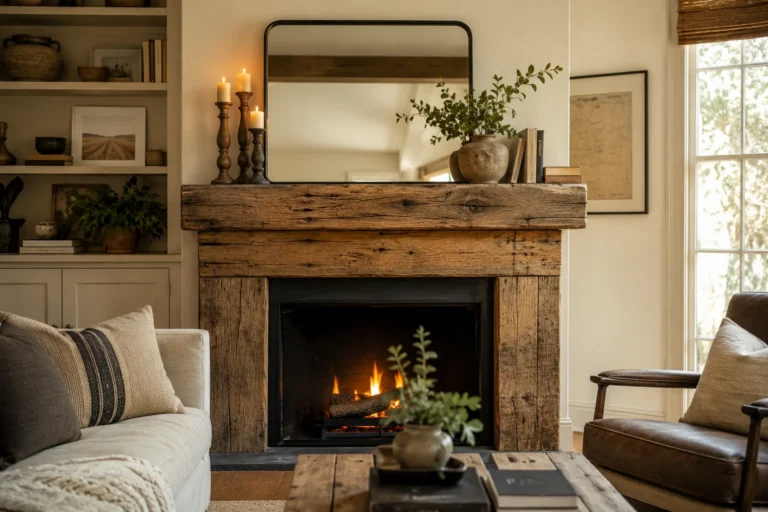
Bring Life to Your Living Space
Bring Life to Your Living Space

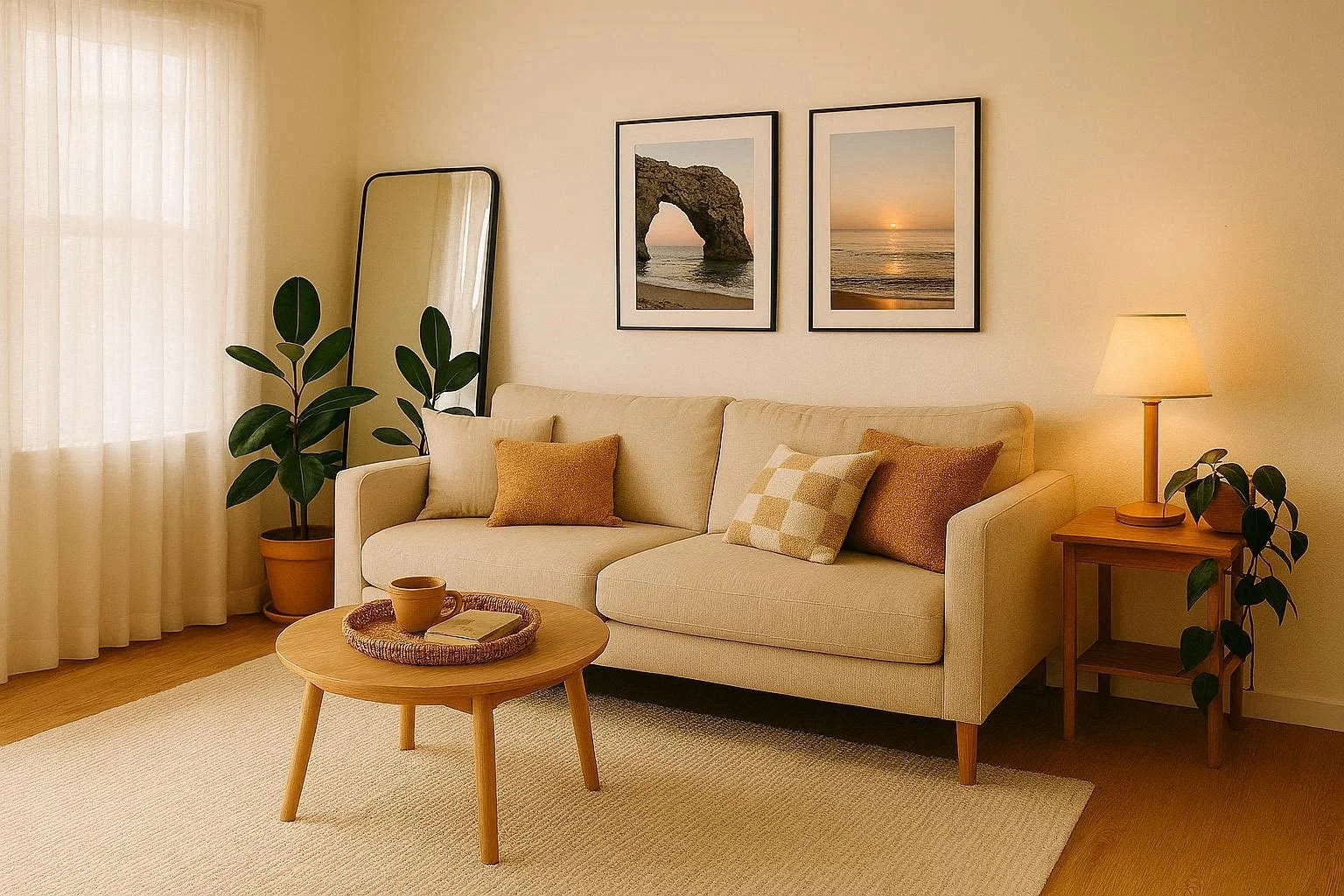
Decorating your home can feel overwhelming, especially when you start browsing furniture stores or scrolling through design inspiration online. Prices add up fast, and it is easy to assume that a beautiful home requires a big budget.
But here is the truth: most rooms do not need expensive furniture or a full renovation to look better. Thoughtful, small changes often create the biggest visual difference. A new lighting fixture, a rearranged sofa, or a well-placed mirror can completely transform how a space feels.
In this guide, you will find 10 practical and affordable home decor ideas that work in living rooms, bedrooms, apartments, and small spaces. These are real tips that make a real difference, without draining your wallet. For more decorating inspiration and practical room makeover ideas, explore Economy Home Decor.
Before spending a single dollar, move your furniture around. This is one of the most underrated and completely free decorating strategies out there.
Most people place sofas against walls out of habit, but pulling furniture slightly away from the walls often creates a cozier, more intentional arrangement. Try angling a chair, creating a conversation grouping, or simply shifting the sofa to face a different focal point.
Common mistake: Ignoring the room’s natural flow. Always make sure people can move through the space comfortably after rearranging.
Bare walls make a room feel unfinished. You do not need original artwork or expensive prints to fix this. Framed pages from old books, printable digital art, fabric stretched over a canvas frame, or a simple collection of thrifted frames can all add personality to a wall.
For the living room, check out these living room wall decor ideas for inspiration tailored to different styles and budgets.
Common mistake: Hanging everything too high. Most wall art looks best when the center sits at eye level, around 57 to 60 inches from the floor.
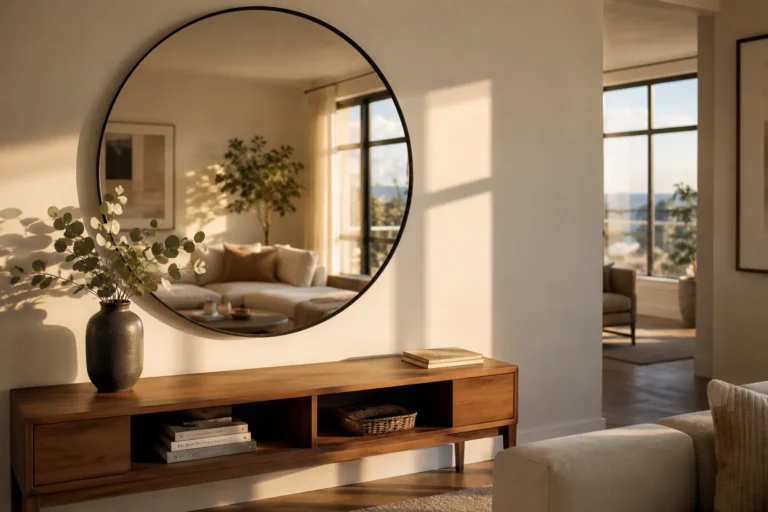
A well-placed mirror can make a small room feel twice as large. Mirrors reflect light, create depth, and add a decorative element all at once.
Lean a large mirror against a wall for a relaxed, modern look. Place a mirror opposite a window to bounce natural light around the room. Thrift stores and discount home goods shops often carry large mirrors at a fraction of retail cost.
Common mistake: Using mirrors that are too small. A tiny mirror on a large wall does very little. Go bigger than you think you need.
Many homeowners assume a room needs new furniture to look better, but changing the lighting often has a far greater impact. Swap harsh overhead bulbs for warm-toned ones, add a floor lamp to a dark corner, or hang a simple pendant light over a dining table.
Layering light sources, such as combining overhead, floor, and table lamps, creates warmth and dimension that no amount of expensive furniture can replicate.
Common mistake: Relying on a single overhead light. Rooms with only one light source tend to feel flat and institutional.
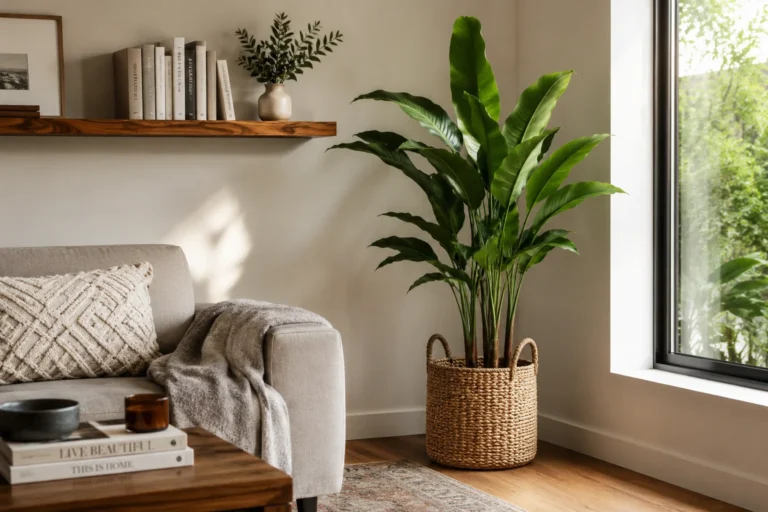
Plants are one of the most affordable ways to bring life and color into any space. A fiddle-leaf fig in the corner, a trailing pothos on a shelf, or a small succulent grouping on a windowsill all add texture and freshness without much cost.
If you tend to forget about watering, opt for low-maintenance varieties like snake plants, ZZ plants, or air plants. Even a single healthy plant makes a noticeable difference.
Common mistake: Choosing plants that do not match your light conditions. Always check the light requirements before buying.
Swapping out throw pillows, blankets, and curtains is one of the quickest ways to update a room’s look and feel. New textiles can shift the entire color palette of a space without touching a single piece of furniture.
Look for pillow covers on sale rather than fully stuffed pillows. You can swap covers seasonally while reusing the inserts. For curtains, simple linen panels in a neutral tone work in almost any room and photograph beautifully.
Common mistake: Buying pillows in the exact same size. Mixing sizes, such as 20×20 and 18×18, creates a more layered, styled look.
Open shelves are an opportunity, not just storage. When styled well, they become a focal point. The key is balance: mix books with objects, vary heights, and leave breathing room between items.
A simple formula that works: group items in odd numbers, combine one tall item, one medium, and one small per section, and include at least one natural element like a plant or a piece of driftwood.
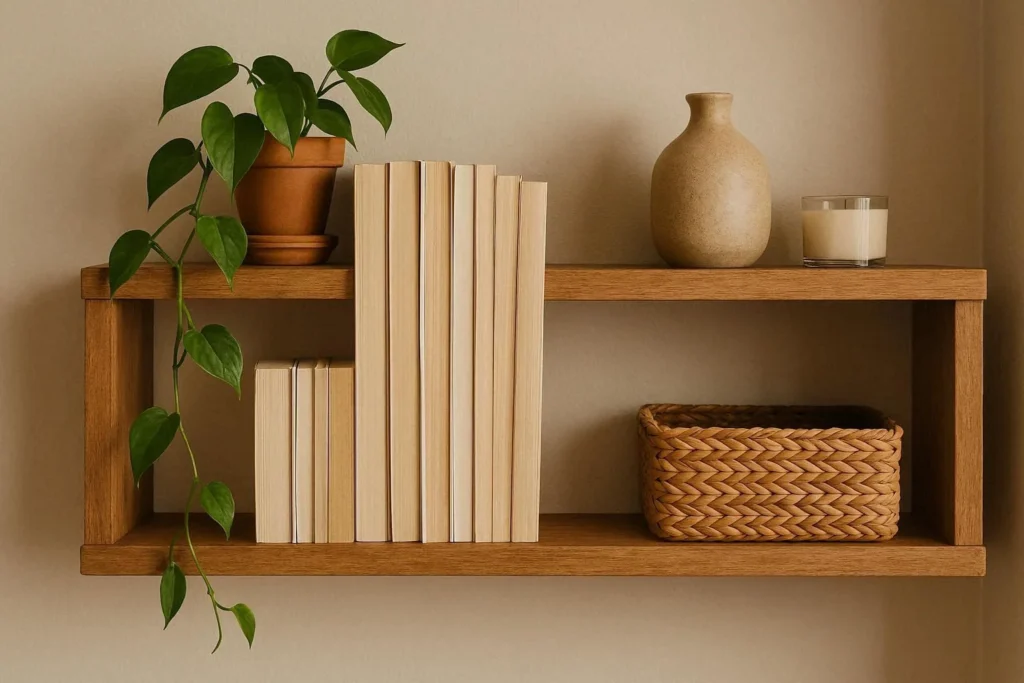
For more shelf styling guidance, browse these shelf decor ideas that work across different room styles.
Common mistake: Overcrowding shelves with too many small items. This creates visual clutter instead of curated style.
A gallery wall is an excellent way to fill a large blank wall, showcase personal memories, or introduce color into a neutral room. It does not require matching frames or expensive art.
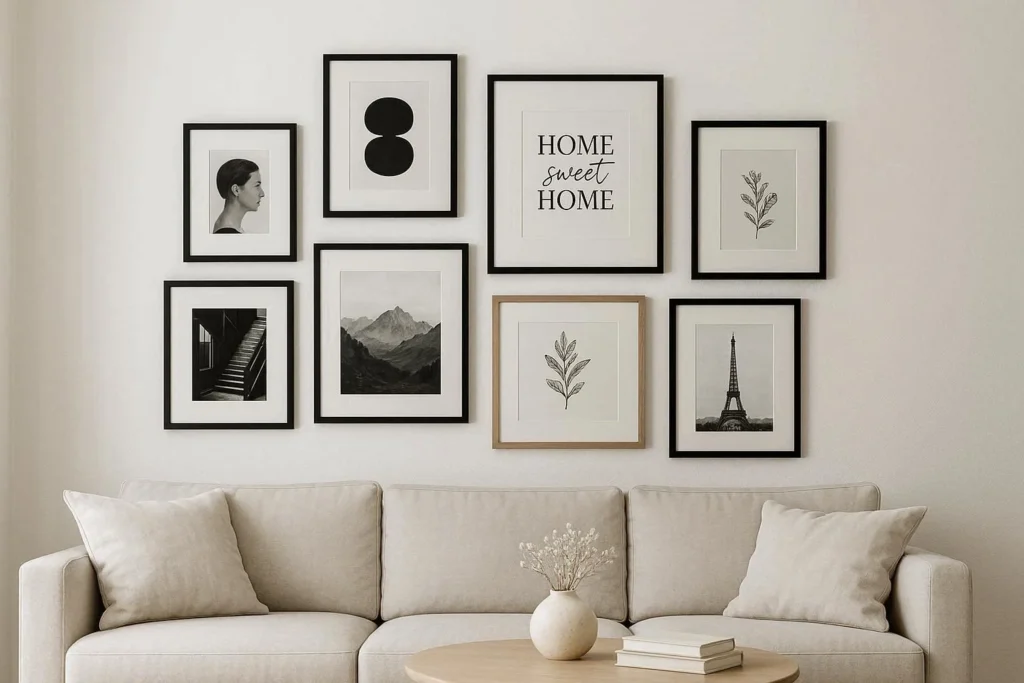
Mix frame sizes, include a mix of photos, prints, and even pressed botanicals. Lay everything out on the floor before hammering a single nail. For layout ideas and tips on getting the spacing right, explore these gallery wall ideas.
Common mistake: Spacing frames too far apart. Keep gaps between frames to around 2 to 3 inches for a cohesive, intentional look.
This one saves money and improves your space at the same time. A cluttered room will look cluttered no matter how much new decor you add.
Before purchasing anything new, remove items that no longer serve a purpose or fit the style you are going for. Editing a space down often reveals a room that already looks much better than you realized. Less truly is more in most home interiors.
Common mistake: Buying more to solve a problem that was actually caused by having too much. Always declutter first.
Instead of spreading your budget thin across many small purchases, invest it in one standout item per room. This could be a bold area rug, a distinctive lamp, a unique piece of wall art, or an interesting side table.
One well-chosen statement piece anchors a room and gives the eye something to land on. Everything else can be simple and inexpensive when one element does the heavy lifting.
Common mistake: Buying many mediocre items hoping they will add up to something great. They rarely do.
Even with good intentions, it is easy to make a few common missteps when decorating on a budget. Here is what to watch out for:
Buying too many small accessories. Small items accumulate quickly and rarely make the impact you hope for. A dozen little trinkets often costs more and looks worse than one well-chosen piece.
Following trends blindly. Trend-driven purchases often feel dated within a year or two. Focus on pieces that reflect your personal style rather than what is popular right now.
Ignoring room layout. You can have beautiful furniture and decor, but if the layout is awkward, the room will never feel right. Always start with function and flow.
Overcrowding a space. More is not always better. Rooms need breathing room to feel comfortable and intentional.
Skipping planning. Jumping straight to buying without a clear vision often results in a mismatched collection of items that do not work together. Even a rough sketch or a saved photo album of inspiration helps.
Anchor the space with an affordable area rug to define the seating zone. Add a floor lamp for warm layered lighting. Style your coffee table with a small stack of books, a tray, and one natural element. For more ideas tailored to this space, explore coffee table decor ideas and wall decor ideas that suit every style.
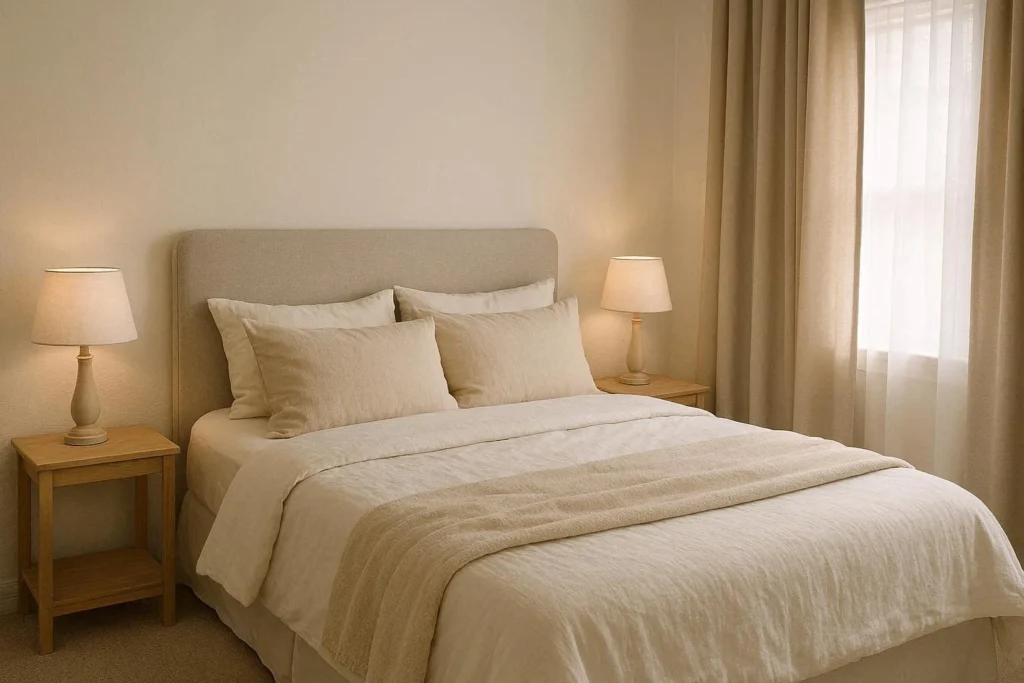
Focus on bedding first. Fresh, well-coordinated bedding transforms a bedroom more than almost anything else. Add blackout curtains for both function and style. A simple upholstered headboard, even a DIY version, elevates the entire room. Find more inspiration in these bedroom decorating ideas.
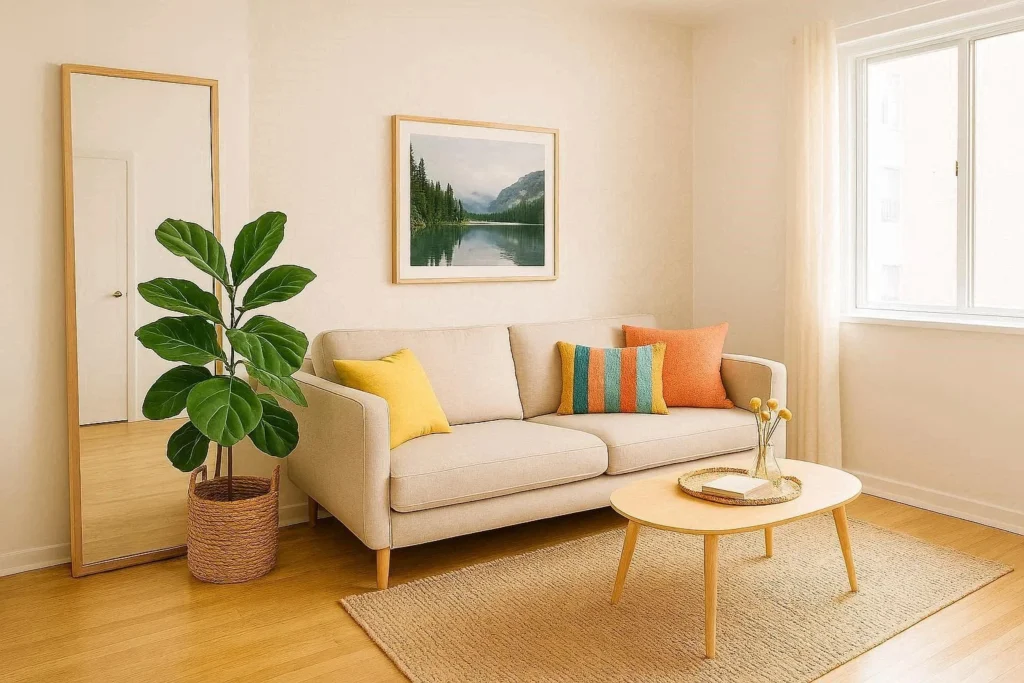
In a rental, focus on removable and flexible decor. Peel-and-stick wallpaper on one accent wall, renter-friendly wall hooks, and lightweight curtains hung high make apartments feel more like home. For a deeper dive into apartment styling, these flat decoration ideas offer practical and renter-friendly solutions.
Maximize vertical space with tall shelving. Use furniture with legs rather than pieces that sit on the floor, as this creates a sense of openness. Stick to a light, cohesive color palette. Mirrors are your best friend in small rooms.
Start with free changes: rearrange furniture, declutter, and reorganize what you already own. Then focus your spending on a few high-impact items like textiles, lighting, or one statement piece per room.
Rearranging furniture costs nothing. Adding new throw pillow covers, swapping lightbulbs for warm-toned ones, and hanging wall decor are all low-cost updates that make a visible difference.
Absolutely. The key is intention and cohesion. A few well-chosen pieces in a clutter-free, well-lit room will always look more polished than a crowded room full of random items regardless of cost.
Start with the room you spend the most time in, usually the living room or bedroom. Improving the space you use daily has the biggest impact on how you feel at home.
Buying too many small accessories, skipping the planning stage, ignoring layout, following trends without a personal filter, and overcrowding spaces are the most common and costly mistakes budget decorators make.
A stylish home is not the result of spending more. It is the result of making smarter choices. Start with what you already have, focus on layout and lighting before anything else, and invest selectively in the pieces that genuinely elevate your space.
The most satisfying home makeovers often come from simple, deliberate changes rather than complete overhauls. Pick one tip from this list, apply it this week, and notice the difference.