Cape Cod Interior Design Ideas: Guide to Timeless Coastal Elegance

There’s something undeniably captivating about Cape Cod interior design ideas that continues to enchant homeowners across America. This classic New England aesthetic combines breezy coastal charm with practical, comfortable living creating spaces that feel both elegant and effortlessly inviting.

Whether you’re decorating a seaside cottage in Massachusetts or bringing coastal vibes to a landlocked home, Cape Cod style offers a refreshing approach to interior design that never goes out of fashion.

In this comprehensive guide, we’ll explore everything you need to know about creating authentic Cape Cod interiors. From foundational design principles to room-by-room styling strategies, you’ll discover how to capture that coveted beach house aesthetic while making it uniquely yours.

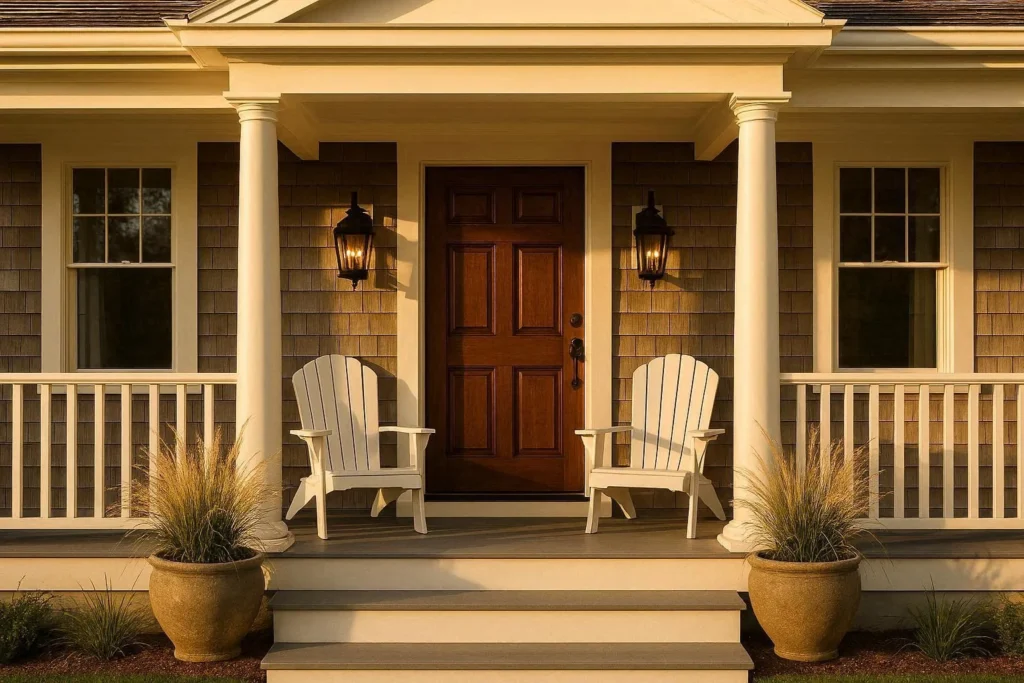
Classic Cape Cod style house exterior with weathered shingles and white trim

What Is Cape Cod Interior Design?

Cape Cod interior design originated in the colonial-era homes dotting Massachusetts’ picturesque peninsula. These modest dwellings, built by English settlers in the 17th century, were designed to withstand harsh New England winters while maximizing limited space.

The architectural style emphasized practicality: steep roofs to shed snow, central chimneys for efficient heating, and small windows to conserve warmth. Over time, these functional elements evolved into the charming aesthetic we recognize today.

Historical Influences:

  • English cottage traditions brought by early settlers
  • Maritime culture and fishing village aesthetics
  • Colonial American simplicity and resourcefulness
  • 1920s-1930s Colonial Revival movement that romanticized early American architecture

Modern Cape Cod interiors honor these historical roots while embracing contemporary comfort. The style has expanded beyond its New England origins, becoming synonymous with relaxed coastal living throughout the United States.

What makes Cape Cod design particularly appealing is its democratic nature it’s not about expensive materials or designer labels. Instead, it celebrates simplicity, natural beauty, and the kind of comfort that makes a house feel like home.

Cape Cod interior design evolution from colonial era to modern style

Key Characteristics of Cape Cod Interiors

Understanding the core elements of Cape Cod style interiors helps you create an authentic look that feels cohesive and intentional.

Signature Color Palettes

Cape Cod home décor revolves around nature-inspired hues that evoke the coastal landscape:

Primary Colors:

  • Crisp whites and soft creams (walls, trim, ceilings)
  • Weathered grays and driftwood tones
  • Soft powder blues and seafoam greens
  • Sandy beiges and warm taupes

Accent Colors:

  • Navy blue for nautical touches
  • Coral and salmon for subtle warmth
  • Sage green for botanical interest
  • Butter yellow for sunny accents

The overall palette remains light and airy, reflecting the natural surroundings of beach, sky, and dune grass.

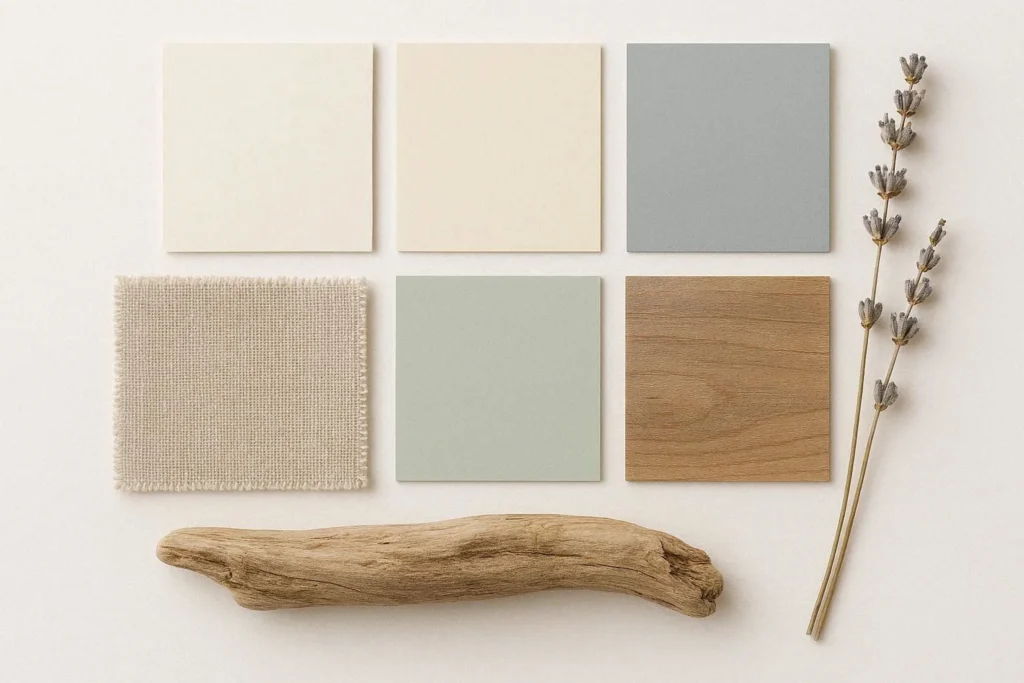
Cape Cod interior design color palette featuring whites, blues, and natural neutrals

Natural Materials

Authenticity comes through material choices that connect to the coastal environment:

  • Wood: Weathered pine, whitewashed oak, reclaimed barn wood
  • Textiles: Linen, cotton, canvas, natural fiber rugs
  • Wicker and Rattan: For furniture and decorative accents
  • Stone: Granite, marble, or soapstone in kitchens and bathrooms
  • Glass: Clear glass lamps, mercury glass accessories, sea glass collections

These materials create textural interest while maintaining the style’s understated elegance.

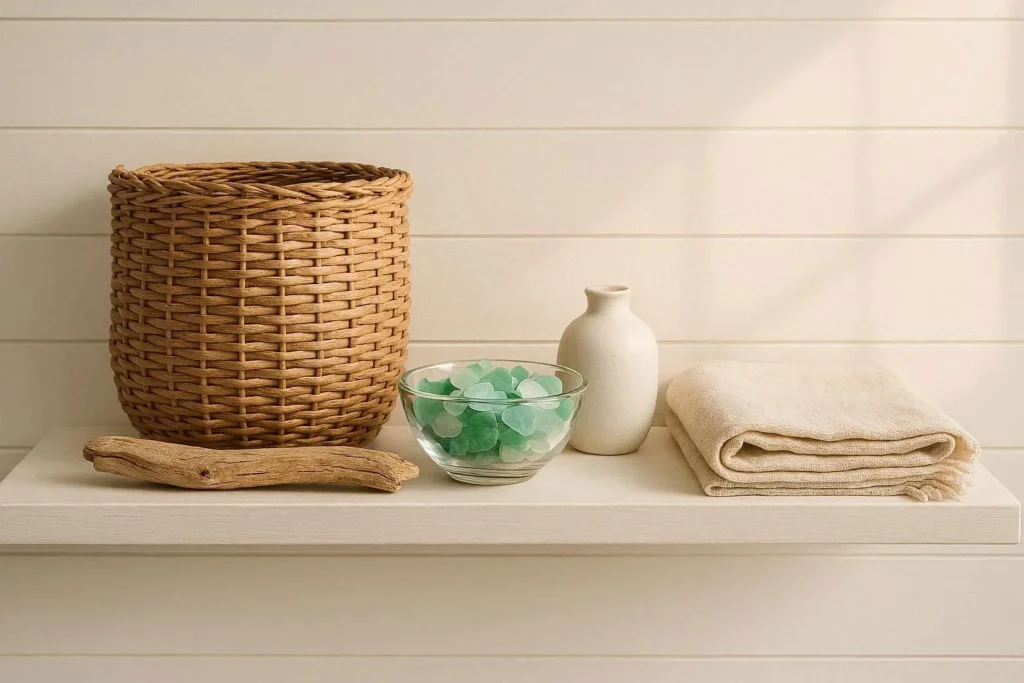
Natural materials used in Cape Cod style interiors including wood, linen, and coastal textures

Light and Space

Cape Cod living room ideas always prioritize brightness and openness:

  • Large windows with minimal treatments to maximize natural light
  • White or light-colored walls that reflect sunshine
  • Open floor plans connecting living spaces
  • Strategic mirror placement to amplify light
  • Sheer curtains or simple Roman shades

Even smaller Cape Cod homes feel spacious thanks to these light-enhancing techniques.

Classic Yet Comfortable Furniture

Cape Cod furniture strikes a balance between traditional silhouettes and relaxed comfort:

  • Slipcovered sofas in white or neutral fabrics
  • Windsor chairs and ladder-back dining chairs
  • Painted wood furniture with distressed finishes
  • Overstuffed armchairs perfect for reading
  • Practical storage pieces like blanket chests and built-in benches

Furniture should look collected over time rather than purchased as a matching set.

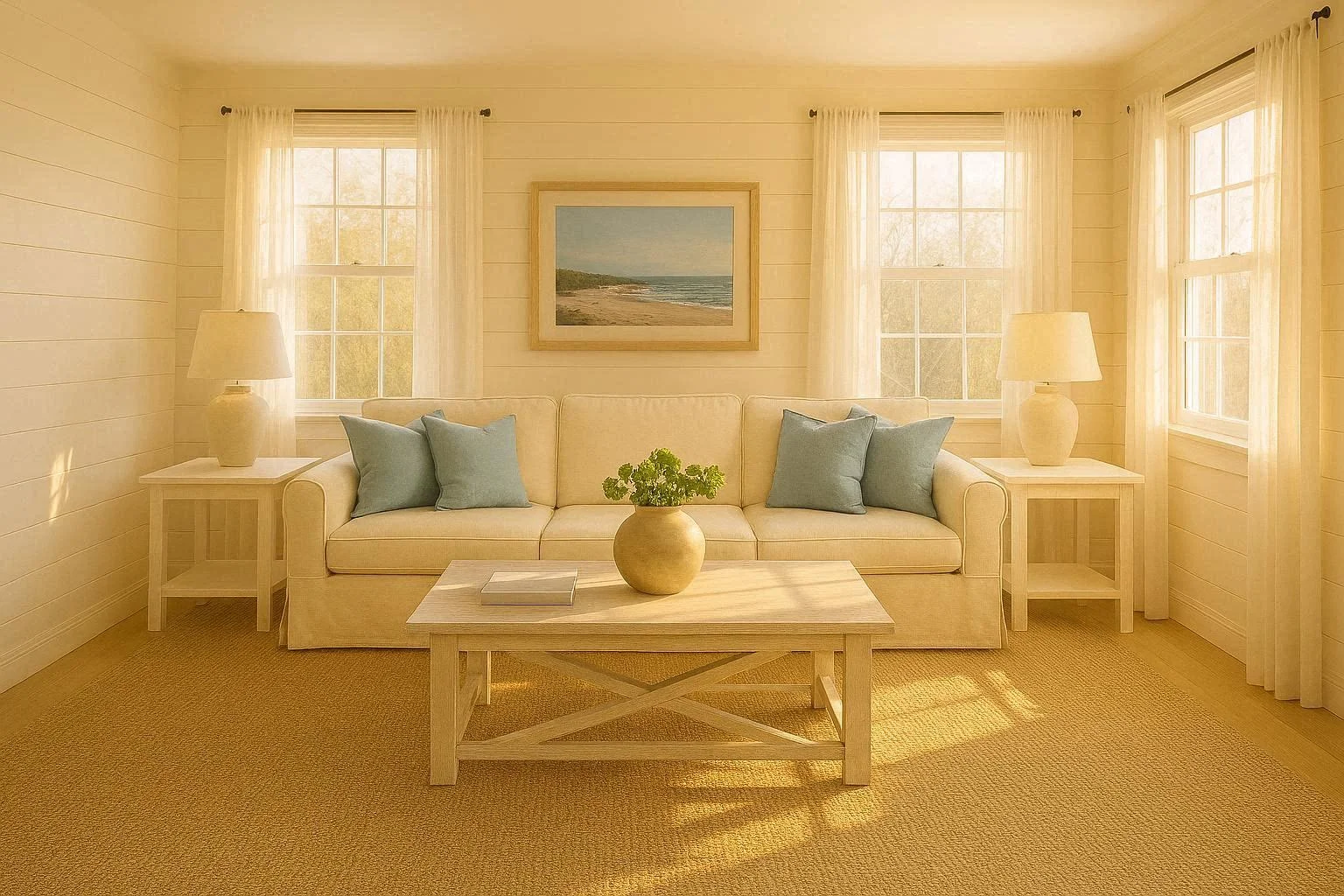
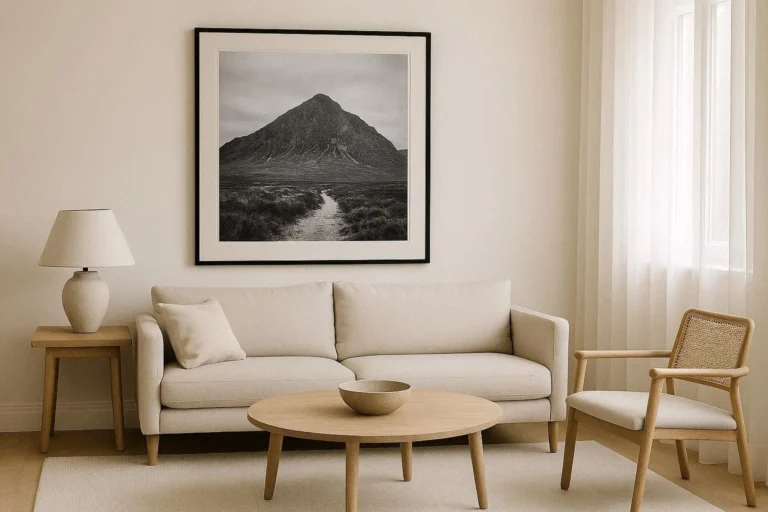
Cape Cod style living room with white slipcovered furniture and coastal accents

Room-by-Room Cape Cod Interior Design Ideas

Let’s dive deep into each space of your home to create an authentic Cape Cod aesthetic throughout.

Living Room

The living room serves as the heart of Cape Cod homes a gathering space that balances elegance with everyday comfort.

Layout Tips:

Arrange furniture to encourage conversation while maximizing natural light flow. Position seating to face windows or fireplaces, creating natural focal points. Avoid blocking windows with tall furniture pieces.

Furniture Choices:

  • White or oatmeal linen slipcovered sofa as the anchor piece
  • Pair of coordinating armchairs in complementary fabrics
  • Whitewashed or weathered wood coffee table (often with storage)
  • Side tables with painted finishes
  • Open shelving or glass-front cabinets for displaying coastal collections

Décor Ideas:

Layer blue and white striped pillows with solid neutrals on seating. Display nautical elements sparingly a brass telescope, vintage oars, or framed maritime maps. Incorporate natural elements like driftwood, coral specimens, or beach grass arrangements.

Add a sisal or jute area rug to ground the seating area while maintaining the light, airy feel. Top with a smaller blue-and-white patterned rug for visual interest.

Lighting Suggestions:

Choose clear glass or mercury glass table lamps with white or natural linen shades. Install a simple chandelier or pendant light with a rope, brushed nickel, or whitewashed finish. Add architectural interest with wall sconces flanking windows or the fireplace.

Coastal Cape Cod living room design with fireplace and built-in shelving

Kitchen

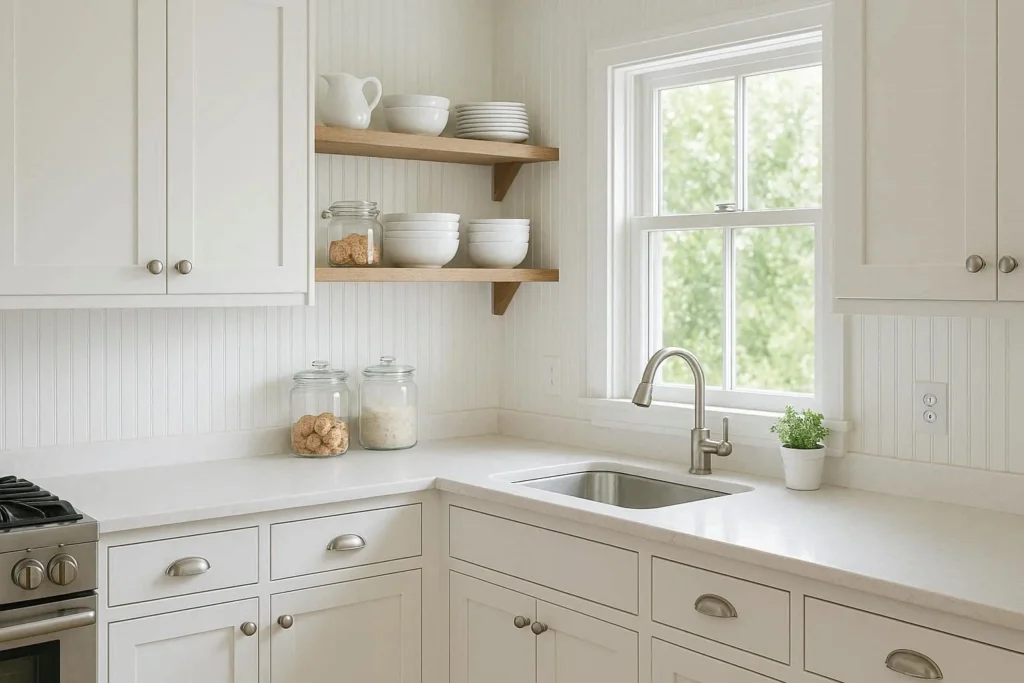
Cape Cod kitchens combine cottage charm with modern functionality, creating spaces perfect for both family meals and entertaining.

Layout Tips:

Embrace traditional work triangle principles with updated efficiency. If possible, orient the sink toward a window for natural light and views. Create zones for prep, cooking, and cleanup with clear pathways between.

Key Design Elements:

  • White or soft gray Shaker-style cabinets
  • Marble or butcher block countertops
  • Subway tile or beadboard backsplashes
  • Farmhouse sink (white porcelain or fireclay)
  • Open shelving for displaying everyday dishes
  • Glass-front upper cabinets showing organized dishware

Color Schemes:

Stick with predominantly white cabinetry, but consider a soft blue or sage green island for visual interest. Keep walls neutral with white or cream tones. Add warmth through natural wood elements like floating shelves or a reclaimed wood range hood.

Décor & Styling:

Display white ironstone, blue transferware, or simple white dishes on open shelves. Hang copper pots or vintage kitchen tools as functional art. Keep counters relatively clear, with only frequently used items like a marble cutting board or ceramic utensil holder visible.

Lighting Suggestions:

Install pendant lights over the island glass globes, schoolhouse fixtures, or metal dome shades work beautifully. Add under-cabinet lighting for task illumination. Consider a vintage-inspired chandelier over a breakfast nook.

Cape Cod style kitchen with white cabinets and coastal blue island

Bedroom

Cape Cod bedrooms should feel like tranquil retreats serene spaces that invite relaxation and restful sleep.

Layout Tips:

Position the bed to take advantage of natural light without direct morning sun in your eyes. Create symmetry with matching nightstands and lamps. Leave adequate walkway space around the bed at least 24 inches on each side.

Furniture Choices:

  • White or weathered wood bed frame (four-poster, sleigh, or simple panel)
  • Matching nightstands with drawer storage
  • Comfortable upholstered bench at foot of bed
  • Vintage dresser painted in soft hues
  • Wicker accent chair for reading corner

Bedding & Textiles:

Layer white or cream sheets with a lightweight quilt in subtle patterns stripes, ticking, or small florals. Add texture with a cable-knit throw at the foot of the bed. Choose pillows in varying shades of blue, from pale sky to deeper navy.

Install simple white curtains or bamboo Roman shades that filter light without blocking it completely.

Décor Ideas:

Keep nightstands minimal a table lamp, fresh flowers, and perhaps a small stack of books. Hang calming coastal artwork like seascapes or botanical prints. Display a collection of vintage books or a treasured shell collection on the dresser.

Lighting Suggestions:

Bedside lamps should provide adequate reading light ceramic bases in white or soft blue with linen shades work well. Add ambient lighting with a simple flush-mount ceiling fixture or coastal-inspired chandelier.

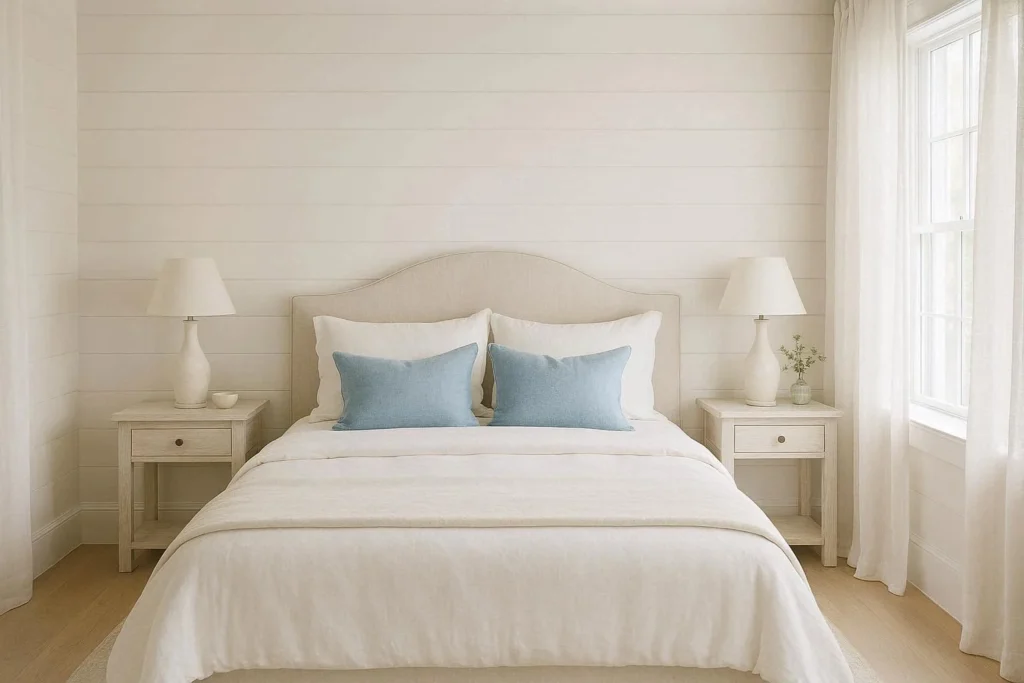
Cape Cod bedroom design with white furniture and coastal blue bedding

Bathroom

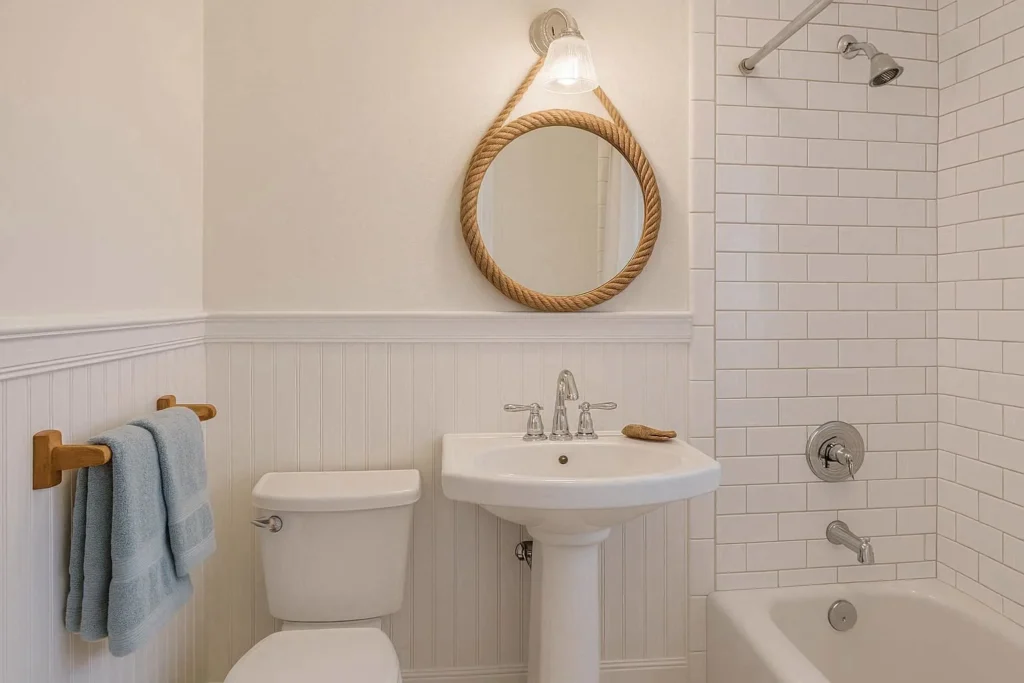
Cape Cod bathrooms embrace clean, classic design with spa-like serenity.

Layout Tips:

Maximize natural light with large windows (use frosted glass or shutters for privacy). Position mirrors to reflect light throughout the space. Create clear zones for the vanity, shower/tub, and toilet areas.

Key Design Elements:

  • White subway tile or beadboard wainscoting
  • Marble or white quartz vanity tops
  • Pedestal sinks or painted vanity cabinets
  • Clawfoot tub or classic alcove tub with subway tile surround
  • Chrome, brushed nickel, or oil-rubbed bronze fixtures
  • White or light gray painted shiplap walls

Color Schemes:

Maintain a predominantly white palette with soft blue or seafoam accents through towels, bath mats, and accessories. Consider a subtle patterned floor tile in blue and white for visual interest.

Storage & Organization:

Install open shelving for rolled towels and attractive storage baskets. Use glass apothecary jars for cotton balls and bath salts. Add hooks for robes and a vintage ladder as a towel rack.

Décor Ideas:

Display fresh flowers or greenery in white ceramic vases. Hang framed vintage botanical prints or simple coastal photography. Keep surfaces clutter-free with only essential items visible.

Lighting Suggestions:

Flank mirrors with sconces at eye level for even lighting. Add a small chandelier or semi-flush mount for ambient lighting. Ensure shower areas have adequate waterproof lighting.

Classic Cape Cod bathroom design with white subway tile and marble countertops

Dining Room

Cape Cod dining rooms blend formality with approachable warmth, creating spaces perfect for both everyday meals and special gatherings.

Layout Tips:

Center the dining table in the room, allowing at least 36 inches of clearance around all sides for chair movement. Position the table near windows when possible. If space allows, add a sideboard or hutch along one wall for storage and serving.

Furniture Choices:

  • Farmhouse-style dining table in natural or whitewashed wood
  • Mix of seating: Windsor chairs, ladder-back chairs, or upholstered end chairs
  • Painted hutch or china cabinet displaying dishware
  • Simple sideboard or buffet for serving and storage

Décor Ideas:

Set the table with classic white dishes, blue-accented chargers, and simple linen napkins. Create centerpieces with fresh flowers in white pitchers or bowls filled with shells and sand. Hang a large mirror to reflect light and make the space feel larger.

Lighting Suggestions:

A chandelier hung 30-36 inches above the table provides ideal illumination. Choose fixtures with nautical elements, clear glass, or simple candelabra styles. Add dimmer switches for versatility.

Coastal Cape Cod dining room with farmhouse table and mixed seating

Entryway & Hallways

First impressions matter Cape Cod entryways welcome guests with practical charm.

Layout Tips:

Create a logical drop zone near the door for keys, bags, and everyday items. Maximize narrow hallways with vertical storage solutions. Keep pathways clear and uncluttered.

Furniture & Storage:

  • Bench with storage underneath for shoes and seasonal items
  • Wall-mounted hooks or a coat rack (painted wood or nautical-inspired)
  • Small console table with drawer storage
  • Wicker baskets for organizing smaller items

Décor Ideas:

Hang a large mirror above the console to check your appearance before leaving and to reflect light. Display a simple arrangement of fresh flowers or greenery. Add a striped runner rug for warmth and pattern.

Lighting Suggestions:

Install a flush-mount or semi-flush ceiling fixture with coastal elements. Add a table lamp on the console for warm, welcoming ambiance. Ensure hallways are well-lit with recessed lighting or simple sconces.

Cape Cod style entryway with built-in storage bench and coastal décor

Cape Cod Color Palette Guide

Creating an authentic Cape Cod aesthetic starts with the right color combinations. These nature-inspired palettes capture the essence of coastal living.

Coastal-Inspired Color Combinations

Classic White & Blue:

  • Walls: Benjamin Moore “White Dove” or Sherwin Williams “Pure White”
  • Accents: Benjamin Moore “Hale Navy” or “Aegean Teal”
  • Perfect for: Living rooms, bedrooms, bathrooms

Neutral & Natural:

  • Walls: Benjamin Moore “Edgecomb Gray” or “Manchester Tan”
  • Accents: Soft greiges and warm taupes
  • Perfect for: Dining rooms, kitchens, family spaces

Soft Seafoam:

  • Walls: Benjamin Moore “Palladian Blue” or “Woodlawn Blue”
  • Accents: White trim and natural wood tones
  • Perfect for: Bedrooms, powder rooms, sunrooms

Weathered Gray:

  • Walls: Benjamin Moore “Gray Owl” or Sherwin Williams “Repose Gray”
  • Accents: Navy blue and crisp white
  • Perfect for: Any room seeking subtle sophistication

Paint Recommendations and Finishes

Walls: Choose matte or eggshell finishes for a soft, non-reflective surface that hides minor imperfections. These finishes work beautifully in living areas and bedrooms.

Trim & Doors: Use semi-gloss or satin finishes in bright white. This creates subtle contrast and makes trim pop against walls while being easy to clean.

Ceilings: Stick with flat white paint to minimize light reflection and create the illusion of height.

Cabinets: Semi-gloss or satin finishes in white or soft colors provide durability in kitchens and bathrooms while maintaining the classic look.

How to Balance Light and Warmth

Cape Cod interiors can sometimes feel too stark or cold if not properly balanced. Here’s how to add warmth while maintaining the style’s signature brightness:

Add Warm Woods: Incorporate natural wood tones through furniture, floors, or ceiling beams. Honey-toned pine or weathered oak adds essential warmth.

Layer Textures: Combine smooth painted surfaces with textured elements like jute rugs, linen pillows, and woven baskets. Texture creates visual warmth.

Include Warm Whites: Not all whites are created equal. Choose warm whites with subtle yellow or beige undertones rather than stark, cool whites with blue undertones.

Strategic Color Placement: Use warmer accent colors (coral, butter yellow, warm greige) in areas that receive less natural light to compensate for missing sunshine.

Natural Elements: Bring in warmth through plants, flowers, and natural materials that add life and organic color.

Comparing cool versus warm Cape Cod interior design color palettes

Furniture & Décor Essentials

Curating the right pieces transforms a space from simply coastal-themed to authentically Cape Cod.

Must-Have Furniture Pieces

Slipcovered Seating: The cornerstone of Cape Cod living rooms. White or natural linen slipcovers are practical (washable) and beautiful. Look for deep-seated sofas that invite lounging.

Painted Wood Furniture: Dressers, nightstands, and side tables in soft whites, blues, or greiges. Distressed finishes add character and disguise future wear.

Natural Wood Tables: Coffee tables and dining tables in natural or whitewashed finishes provide grounding contrast to lighter elements.

Wicker & Rattan: Accent chairs, side tables, or storage baskets in natural wicker add texture and coastal authenticity.

Built-In Storage: Window seats with storage, built-in bookshelves, and banquettes maximize space while honoring Cape Cod’s practical roots.

Essential furniture pieces for Cape Cod style interiors

Textiles, Rugs, Curtains, and Throws

Rugs:

  • Natural fiber rugs (jute, sisal, seagrass) as foundational layers
  • Blue and white patterned rugs for visual interest
  • Striped runners for hallways and entryways
  • Keep rugs simple avoid overly ornate patterns

Curtains:

  • White or natural linen panels that puddle slightly on the floor
  • Simple Roman shades in canvas or linen
  • Sheer curtains that filter light without blocking it
  • Minimal hardware simple rods in brushed nickel or white

Throws & Pillows:

  • Cable-knit throws in cream or soft blue
  • Linen and cotton pillow covers in stripes and solids
  • Mix patterns thoughtfully: stripes with solids, small prints with larger ones
  • Stick to the coastal color palette for cohesion

Bedding:

  • White or cream base layers
  • Lightweight quilts in subtle patterns
  • European pillows for layering
  • Avoid overly ornate or fussy bedding
Cape Cod bedroom bedding layers with coastal colors and textures

Wall Décor and Artwork Styling

Framed Coastal Photography: Black and white or muted color beach scenes, sailboats, or maritime landscapes. Keep frames simple white, natural wood, or black.

Vintage Maps: Nautical charts or vintage maps of Cape Cod and surrounding waters make excellent large-scale art.

Botanical Prints: Simple framed botanical illustrations of coastal plants and flowers add natural elegance.

Mirrors: Large mirrors in weathered wood or rope frames reflect light and expand space. Sunburst mirrors add subtle drama.

Hanging Techniques:

  • Gallery walls should feel curated, not cluttered
  • Maintain consistent spacing (2-3 inches between frames)
  • Hang art at eye level (center at 57-60 inches)
  • Balance frame sizes and orientations

What to Avoid:

  • Overtly themed décor (anchors, ship wheels, “Beach House” signs)
  • Bright, garish colors
  • Too many decorative objects competing for attention
Cape Cod style gallery wall with coastal artwork and vintage maps

Applying the 3-5-7 Decorating Rule to Cape Cod Interiors

The 3-5-7 rule suggests grouping decorative objects in odd numbers for the most visually pleasing arrangements. Here’s how to apply it to Cape Cod style:

Groups of 3: Perfect for mantels, coffee tables, and nightstands. Example: Three white ceramic vases of varying heights filled with beach grass, or three stacked vintage books with a small shell on top.

Groups of 5: Ideal for larger surfaces like dining tables or console tables. Example: Five white candles of different heights arranged on a wooden tray, or five framed coastal photographs hung in a gallery arrangement.

Groups of 7: Best for open shelving or larger displays. Example: Seven pieces of blue and white pottery arranged on built-in shelves, varying the heights and sizes for visual interest.

Cape Cod-Specific Applications:

  • Coffee Table: Three elements a stack of design books, a bowl with shells, and a small potted plant
  • Dining Table: Five elements two candlesticks on each end with a low floral arrangement in the center
  • Open Shelving: Seven items mix of white dishes, blue pottery, small plants, and decorative objects
  • Mantel: Five pieces two matching lamps flanking a central mirror or artwork, with decorative objects on each side

Keep arrangements asymmetrical for a collected, relaxed feel rather than overly formal.

The 3-5-7 decorating rule applied to Cape Cod interior styling

Modern vs Traditional Cape Cod Interiors

Cape Cod design has evolved to embrace both timeless tradition and contemporary sensibilities. Understanding the differences helps you create your preferred aesthetic.

Traditional Cape Cod Style

Characteristics:

  • Predominantly white or cream color palettes
  • Authentic antique or vintage-inspired furniture
  • Formal arrangements with symmetrical layouts
  • Classic patterns: stripes, florals, toile
  • Traditional architectural details: wainscoting, crown molding, divided-light windows
  • Decorative elements: brass accents, blue and white porcelain, oil paintings

Best For: Historic homes, purists who love colonial charm, those seeking timeless elegance

Traditional Cape Cod interior design with antique furniture and classic details

Modern Cape Cod Style

Characteristics:

  • Expanded color palette including grays, blacks, and bolder accents
  • Clean-lined contemporary furniture with coastal materials
  • Open, flowing layouts with minimal separation
  • Simplified patterns or solid colors
  • Updated architectural elements: shiplap, exposed beams, larger windows
  • Minimalist approach to decorative objects

Best For: New construction, younger homeowners, those who prefer clean contemporary spaces

Modern Cape Cod interior design with contemporary furniture and minimal décor

How to Blend Both Styles Successfully

Creating a transitional space that honors tradition while feeling current requires thoughtful balance:

Start with a Neutral Foundation: Use traditional white walls and natural wood floors, then add modern furniture with cleaner lines.

Mix Furniture Eras: Pair a vintage painted dresser with a modern platform bed. Combine a traditional wingback chair with a contemporary sofa.

Update Traditional Elements: Use classic shiplap but in wider planks with a smoother finish. Install wainscoting but paint it a soft gray instead of white.

Modernize the Color Palette: Keep traditional blue and white but add charcoal gray or black accents for contemporary edge.

Simplify Patterns: Use classic stripes but in larger scales or more graphic interpretations.

Edit Decorative Objects: Display fewer items with more intentionality. Choose quality over quantity.

Maintain Architectural Integrity: Preserve original details like moldings and fireplace surrounds, but update surrounding elements with contemporary pieces.

Transitional Cape Cod interior blending traditional and modern design elements

Cape Cod Beach House vs Classic Cape Cod Homes

While these styles share DNA, they have distinct characteristics suited to different settings and lifestyles.

Design Similarities

Both styles embrace:

  • Light, airy color palettes
  • Natural materials and textures
  • Comfortable, livable furnishings
  • Connection to coastal landscapes
  • Practical, functional layouts

Key Differences

Cape Cod Beach House Interiors:

  • More casual and relaxed atmosphere
  • Weather-resistant, easy-clean materials
  • Open layouts maximizing ocean views
  • Larger windows and glass doors
  • Indoor-outdoor flow with decks and patios
  • Emphasis on vacation-home leisure
  • Brighter, more saturated accent colors
  • Nautical elements used more liberally

Classic Cape Cod Homes:

  • More refined and polished aesthetic
  • Traditional furniture and textiles
  • Smaller windows with historical proportions
  • Formal room definitions (separate dining room, etc.)
  • Year-round living considerations
  • Subtle, sophisticated color applications
  • Nautical elements used sparingly
  • Greater emphasis on architectural details
Transitional Cape Cod interior blending traditional and modern design elements

Vacation-Inspired Styling Tips

Bring beach house vibes to your permanent home with these strategies:

Embrace Durable Materials: Choose performance fabrics that resist stains and fading. Opt for painted furniture that hides sand and saltwater damage.

Maximize Light: Remove heavy window treatments. Paint walls in the brightest whites. Add mirrors strategically.

Create Outdoor Connections: Even without ocean views, add potted plants, install French doors, or create a patio retreat visible from interior spaces.

Prioritize Comfort: Choose deep-seated sofas perfect for afternoon naps. Add hammocks, poufs, or floor cushions for relaxed seating.

Display Beach Finds: Showcase shells, driftwood, or sea glass collected from coastal trips but curate carefully to avoid clutter.

Keep It Simple: Beach houses feel relaxed because they’re not overly decorated. Embrace white space and minimal styling.

Cape Cod beach house interior design with ocean views and relaxed furnishings

Common Cape Cod Design Mistakes to Avoid

Even with the best intentions, certain missteps can undermine your Cape Cod aesthetic. Here’s what to watch for:

Overdecorating

The Problem: Filling every surface with anchors, ship wheels, rope details, and beach-themed signs creates a kitschy souvenir shop rather than sophisticated coastal elegance.

The Solution: Edit ruthlessly. Choose one or two meaningful nautical pieces and let them shine. Remember that authentic Cape Cod homes belonged to people who lived by the ocean they didn’t need to constantly remind themselves of it.

Better Approach: Let architectural elements, natural materials, and color palette convey the coastal theme. Add subtle nods through artwork, textiles, or a single statement piece.

Using Harsh Colors

The Problem: Bright turquoise, hot coral, or electric blue overwhelm the space and feel more tropical Caribbean than New England coast.

The Solution: Stick to soft, muted versions of coastal colors. Think weathered denim rather than bright royal blue, dusty coral instead of neon orange.

Better Approach: If you love saturated colors, use them sparingly as small accents a throw pillow, a piece of art, or a vase of flowers.

Cape Cod color palette mistake corrected from bright colors to soft coastal hues

Ignoring Natural Light

The Problem: Heavy curtains, dark paint colors, or furniture blocking windows contradicts Cape Cod style’s essential characteristic brightness.

The Solution: Maximize every source of natural light. Use sheer or no window treatments where privacy allows. Paint walls in light-reflecting colors.

Better Approach: If privacy requires window coverings, choose light-filtering options like sheer panels, bamboo shades, or simple Roman shades in light fabrics.

Mismatched Metals and Finishes

The Problem: Mixing gold, silver, bronze, copper, and black metals randomly throughout a space creates visual chaos.

The Solution: Choose 2-3 metal finishes maximum and use them consistently. Popular Cape Cod combinations include brushed nickel and oil-rubbed bronze, or chrome and brass.

Better Approach: Use your dominant metal (70% of fixtures), secondary metal (25%), and an occasional accent metal (5%) for interest without confusion.

Too Much Pattern Mixing

The Problem: Combining stripes, florals, geometrics, and nautical prints creates a busy, overwhelming space.

The Solution: Use the 60-30-10 rule: 60% solid or subtle textures, 30% one pattern (usually stripes), 10% a second complementary pattern.

Better Approach: Start with mostly solids and add pattern through pillows, one area rug, or window treatments. Keep patterns in the same color family.

Neglecting Scale and Proportion

The Problem: Oversized furniture in small rooms or tiny accessories in large spaces disrupts visual harmony.

The Solution: Choose furniture appropriately scaled to your room size. In smaller Cape Cod homes, opt for streamlined pieces. Use larger accessories (not more accessories) in bigger spaces.

Better Approach: Measure rooms and furniture before purchasing. Leave adequate circulation space. Use the 3-5-7 rule to scale decorative arrangements.

Forgetting Functionality

The Problem: Prioritizing aesthetics over livability creates spaces that look pretty but don’t work for daily life.

The Solution: Every piece should serve a purpose. Beautiful storage, comfortable seating, adequate lighting function and form work together in authentic Cape Cod design.

Better Approach: Before adding any decorative element, ask: “Is this useful or truly meaningful to me?” If neither, skip it.

Cape Cod interior design mistake showing overcrowded room versus properly styled space

Practical Styling Tips & Expert Advice

Transform your space into a Cape Cod haven with these professional strategies.

Budget-Friendly Tips

Paint is Your Best Investment: A few gallons of white paint can dramatically transform any space. Start with walls, then consider painting existing furniture for a cohesive look.

Shop Secondhand: Vintage shops, estate sales, and online marketplaces offer authentic pieces at fraction of retail prices. Look for solid wood furniture you can paint yourself.

DIY Slipcovers: Purchase affordable white canvas drop cloths and drape over existing sofas secured with upholstery pins. It’s not permanent, but it creates the slipcovered look for less.

Collect Natural Elements: Beach walks provide free décor shells, driftwood, smooth stones. Display in clear glass containers for instant coastal charm.

Focus on High-Impact Areas: Rather than spreading budget thinly throughout the home, completely transform one room at a time for maximum effect.

Make Your Own Artwork: Frame vintage nautical charts (affordable prints available online), or create simple abstract paintings in Cape Cod colors.

Update Hardware: Replacing cabinet pulls, door handles, and light switch plates makes a surprising difference for minimal cost.

Repurpose What You Have: That dark wood dresser can be painted white. Heavy curtains can be replaced with simple tension rods and white panels you sew yourself.

Budget-friendly Cape Cod bedroom transformation with painted furniture and DIY décor

Small-Space Solutions

Cape Cod style works beautifully in compact homes after all, the original cottages were quite modest.

Maximize Vertical Space: Install floating shelves up to the ceiling. Use tall, narrow bookcases rather than wide, low ones.

Choose Multi-Functional Furniture: Ottomans with storage, beds with built-in drawers, dining tables with leaves, nesting tables.

Embrace White: In small spaces, white walls, ceilings, and floors create the illusion of spaciousness essential to Cape Cod style.

Use Mirrors Strategically: Place mirrors opposite windows to double natural light. Large mirrors make rooms feel significantly bigger.

Keep Furniture Scaled Appropriately: Choose apartment-sized sofas, armless chairs, and glass or acrylic pieces that don’t visually consume space.

Limit Color Accents: In small rooms, stick to one or two accent colors maximum. Too much variety fragments the space.

Maximize Natural Light: Remove heavy window treatments. Keep windows unobstructed. Clean windows regularly to maximize brightness.

Create Zones: Even in small spaces, define areas with furniture arrangement and rugs rather than walls.

Edit Ruthlessly: Small spaces require discipline. Display only your most meaningful items. Store the rest.

Small space Cape Cod interior design with space-maximizing solutions

Before-and-After Transformation Ideas

Dark Living Room to Coastal Haven:

  • Before: Dark wood paneling, brown leather furniture, heavy drapes
  • After: Painted paneling white, slipcovered sofa, sheer linen curtains
  • Key Changes: Paint, slipcovers, window treatments, jute rug, blue accent pillows

Dated Kitchen to Fresh Cape Cod:

  • Before: Golden oak cabinets, busy patterned counters, fluorescent lighting
  • After: Painted white cabinets, marble counters, pendant lights
  • Key Changes: Cabinet paint, new countertops, modern lighting, subway tile backsplash, farmhouse sink

Cluttered Bedroom to Serene Retreat:

  • Before: Mismatched dark furniture, excessive décor, heavy bedding
  • After: Cohesive white furniture, minimal styling, light layered bedding
  • Key Changes: Painted furniture, edited accessories, new bedding, removed clutter

Builder-Grade Bathroom to Spa-Like Space:

  • Before: Builder beige tile, oak vanity, brass fixtures
  • After: White subway tile, painted vanity, brushed nickel fixtures
  • Key Changes: New tile, painted vanity, updated fixtures, white accessories
Cape Cod living room before and after transformation showing dramatic brightening

Expert Designer Secrets

Layer Whites: True Cape Cod style uses multiple shades of white warm whites, cool whites, creams creating subtle depth rather than flat monotony.

Intentional Imperfection: Slightly distressed furniture, vintage pieces with patina, and lived-in comfort look more authentic than pristine showroom perfection.

Less is More: Professionals edit constantly. That beautiful object doesn’t need three companions sometimes it’s perfect alone.

Quality Over Quantity: One well-made linen sofa outlasts three cheap substitutes. Invest in foundational pieces; save on trendier accessories.

Create Focal Points: Every room needs one star a fireplace, a stunning view, a beautiful bed. Design around it rather than competing with it.

Consider Sight Lines: Stand in doorways and consider what you see. Arrange furniture and accessories to create pleasing views from every entry point.

Lighting Layers: Combine ambient (overhead), task (reading lamps), and accent (picture lights) for professional results.

Trust the Process: Rooms rarely come together instantly. Live with spaces, adjust gradually, and let your style evolve naturally.

Frequently Ask Questions

What defines Cape Cod interior design?

Cape Cod interior design is characterized by light, airy spaces featuring white or neutral color palettes, natural materials like wood and linen, comfortable yet classic furniture, and subtle coastal elements. The style emphasizes simplicity, natural light, and livability over formality. Key elements include shiplap or beadboard walls, slipcovered furniture, jute rugs, and blue and white accents inspired by the coastal New England landscape.

Can Cape Cod style be modern?

Absolutely. Modern Cape Cod interiors maintain the style’s foundational elements light colors, natural materials, and comfortable furnishings while incorporating contemporary design principles like clean lines, minimalist décor, and updated color palettes. Modern interpretations might include gray tones alongside traditional whites, streamlined furniture silhouettes, and simplified architectural details. The key is balancing timeless coastal elements with current design sensibilities.

What colors work best for Cape Cod homes?

The ideal Cape Cod color palette centers on whites and soft neutrals as the foundation, with accent colors drawn from the coastal landscape. Primary colors include crisp whites (Benjamin Moore “White Dove”), soft grays (Benjamin Moore “Gray Owl”), and warm beiges (Benjamin Moore “Manchester Tan”). Accent colors should be muted versions of blues, greens, and sandy tones think powder blue, seafoam, sage, and driftwood gray rather than bright saturated hues.

Is Cape Cod the same as coastal décor?

While related, they’re not identical. Cape Cod style is a specific subset of coastal design rooted in New England colonial architecture and maritime culture. It tends to be more refined and traditional than general coastal décor, which can incorporate tropical, Mediterranean, or other beach-inspired elements. Cape Cod interiors are typically more subdued, favoring whites and soft blues over bright turquoise, and emphasizing colonial furniture styles over casual beach house pieces.

How do I avoid making my Cape Cod interior look too themed?

Focus on authentic materials and subtle references rather than obvious nautical symbols. Choose quality architectural elements (shiplap, beadboard, natural wood), invest in classic furniture pieces, and use coastal colors through paint and textiles rather than decorative objects. Limit overtly nautical items like anchors and ship wheels to one meaningful piece, if any. Let the overall atmosphere convey the coastal aesthetic rather than relying on theme-park styling.

What’s the difference between Cape Cod and farmhouse style?

Both styles share common elements like white walls, natural materials, and comfortable furnishings, but Cape Cod interiors incorporate more coastal influences blues, nautical elements, and lighter woods. Farmhouse style tends toward warmer, more rustic elements with barn wood, galvanized metal, and agricultural references. Cape Cod feels airier and more refined, while farmhouse embraces a cozier, more rustic aesthetic.

Can I use Cape Cod style in a non-coastal location?

Definitely. Cape Cod interior design translates beautifully to any location because its core principles comfortable living, natural light, timeless style are universally appealing. The coastal elements serve as inspiration for color and mood rather than requiring ocean proximity. Many landlocked homes successfully incorporate Cape Cod style by focusing on the aesthetic’s signature simplicity, classic furniture, and serene color palette.

What flooring works best for Cape Cod interiors?

Wide-plank wood flooring in light to medium tones is ideal pine, oak, or maple in natural, whitewashed, or weathered finishes. Painted wood floors in soft white or gray work beautifully in bathrooms and kitchens. For budget-friendly alternatives, consider light wood-look luxury vinyl or laminate. Area rugs in natural fibers (jute, sisal, seagrass) add warmth and texture while maintaining the coastal aesthetic.

Conclusion

Cape Cod interior design offers something increasingly rare in our fast-paced world timeless beauty that never feels dated, comfortable elegance that welcomes rather than intimidates, and a connection to nature that soothes the soul.

Whether you’re decorating a historic cottage on the Massachusetts coast or bringing seaside serenity to a suburban home hundreds of miles from the ocean, these principles create spaces that feel perpetually fresh, effortlessly stylish, and deeply livable.

The beauty of Cape Cod style lies not in expensive materials or designer labels, but in thoughtful choices that honor simplicity, celebrate natural light, and prioritize comfort. A coat of white paint, carefully edited accessories, and furniture that invites you to sit and stay these simple elements transform houses into homes that nurture and restore.

Start small if you feel overwhelmed. Paint one room white. Replace heavy curtains with simple linen panels. Add a jute rug and some blue-and-white pillows. Small changes compound into dramatic transformations when guided by clear principles.

Remember that authentic Cape Cod interiors evolve over time, accumulating meaningful pieces rather than following a rigid design plan. Give yourself permission to experiment, edit, and adjust as you discover what truly makes your space feel like home.

The coastal serenity, classic elegance, and unpretentious comfort of Cape Cod interior design awaits. Your transformation begins with a single intentional choice perhaps it starts today.

Ready to begin your Cape Cod transformation? Start by painting one room in a soft white, then gradually add natural textures and coastal accents. Share your journey and inspire others creating their own coastal havens.