Bring Life to Your Living Space
Bring Life to Your Living Space

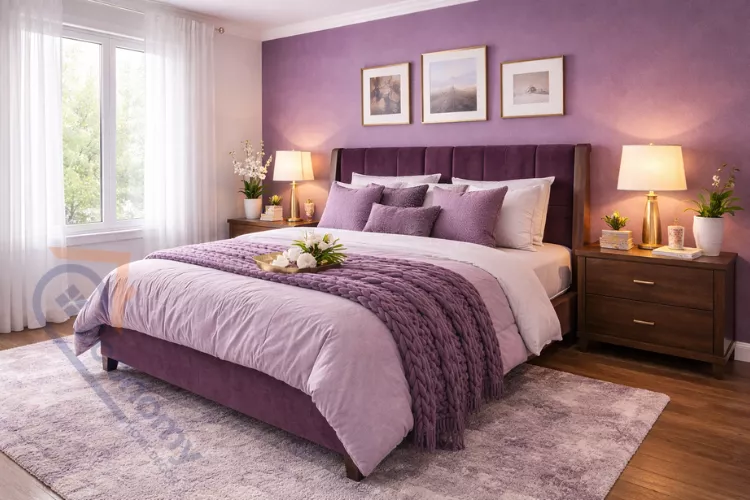
There’s a reason purple bedrooms are experiencing a renaissance in modern interior design. Walk into a well-executed purple bedroom, and you’ll immediately feel the difference a sophisticated blend of calm and creativity that few other colors can deliver. As an interior designer who’s transformed dozens of bedrooms over the past decade, I’ve watched purple evolve from “too bold” to one of the most requested colors in contemporary bedroom design.
Purple isn’t just having a moment; it’s reclaiming its place as the ultimate expression of luxury, tranquility, and personal style. Whether you’re drawn to soft lavender whispers or dramatic eggplant depths, purple offers an extraordinary range of possibilities that work beautifully in spaces from compact city apartments to sprawling master suites.
The psychology behind this shift is fascinating. In our overstimulated world, homeowners are seeking bedroom environments that promote genuine rest while reflecting their personality. Purple delivers both. It combines the calming properties of blue with the energetic warmth of red, creating a balanced atmosphere that encourages relaxation without feeling clinical or cold.
This comprehensive guide will walk you through everything I’ve learned about creating stunning purple bedrooms from choosing the perfect shade for your lighting conditions to mastering color combinations that elevate rather than overwhelm. Let’s explore how to make purple work beautifully in your personal sanctuary.
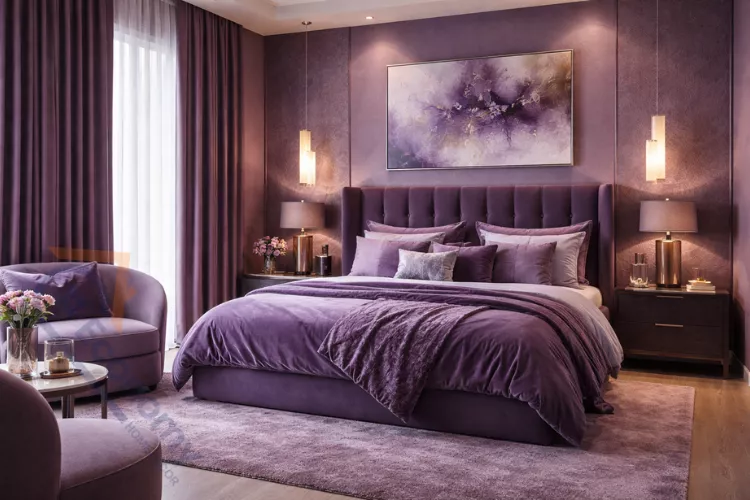
Before selecting your first paint sample, understanding how purple affects our psychology and physiology is crucial for bedroom success. I’ve seen countless clients choose purple impulsively, only to realize they picked the wrong shade for their sleep quality and mood.
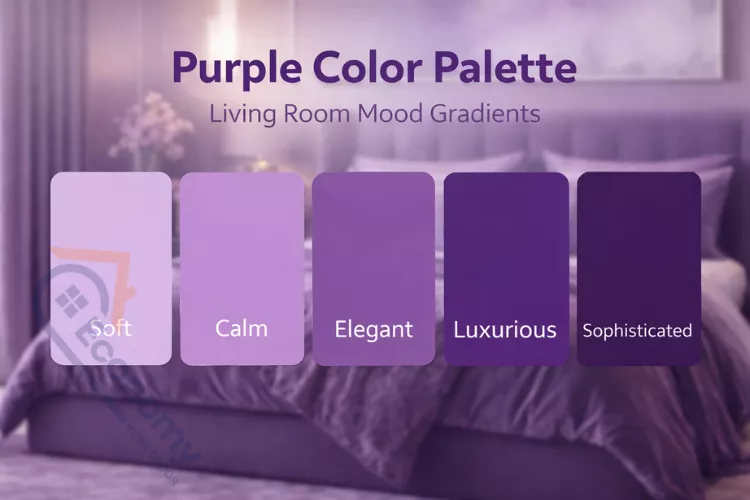
Purple occupies a unique position in the color spectrum, and different shades create dramatically different psychological effects:
Light purples (lavender, lilac, mauve) trigger similar neural responses to soft blues and gentle pinks. These shades lower cortisol levels and promote melatonin production, making them excellent choices for primary bedroom walls. In my practice, clients with light purple bedrooms consistently report feeling more peaceful during their wind-down routines.
Medium purples (violet, amethyst, periwinkle) strike a balance between stimulation and relaxation. They’re sophisticated enough to feel intentional but soft enough to avoid overwhelming the senses. These work exceptionally well in bedrooms used for multiple purposes reading, working, or relaxing because they maintain mental clarity without creating the sterile feeling some neutrals produce.
Deep purples (eggplant, plum, aubergine) channel opulence and drama. While some sleep experts caution against dark walls in bedrooms, I’ve found that rich purples, when properly balanced with lighting and lighter accents, create a cocooning effect that many people find deeply comforting. The key is ensuring adequate natural light during daytime hours.
Consider your natural sleep patterns when selecting your purple shade. Light sleepers or those prone to anxiety typically respond better to pale lavenders with gray or white undertones. These create a whisper-quiet backdrop that doesn’t compete for attention.
Conversely, if you’re someone who craves a sense of enveloping security at night, deeper purples with blue undertones can create that protected, den-like atmosphere that promotes deep rest. The crucial factor is ensuring your purple doesn’t lean too red those warmer undertones can subconsciously energize rather than relax.
Purple’s versatility means it adapts beautifully to virtually any design aesthetic. Here’s how to execute purple across the most popular bedroom styles in 2026.
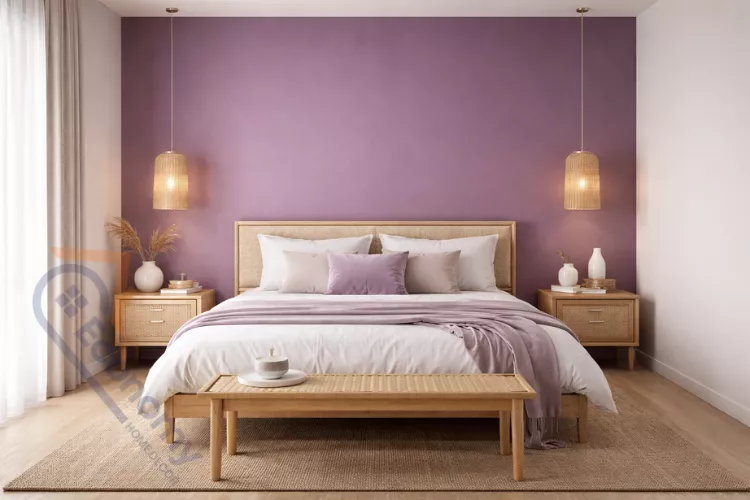
Modern design thrives on clean lines, intentional negative space, and carefully curated color blocking. For modern purple bedrooms, I recommend treating purple as your statement element rather than your dominant color.
Color Strategy: Use a single accent wall in a saturated purple think deep violet or royal purple against three walls in crisp white or pale gray. This creates instant drama while maintaining the airy quality modern design requires.
Furniture Choices: Select low-profile platform beds in natural wood tones or matte black metal. The organic warmth of walnut or oak provides beautiful contrast against cool-toned purples, while black creates sophisticated edge with warmer plum shades.
Textile Integration: Layer your bedding in varying purple tones. Start with white or cream base sheets, add a medium purple duvet, and finish with deep purple throw pillows. This tonal layering feels intentional and expensive a hallmark of successful modern design.
Lighting Considerations: Modern purple bedrooms demand excellent lighting. Install dimmable LED strips behind floating nightstands or under platform bed frames to create ambient purple-tinged glows that emphasize your color choice after dark.
Minimalism and purple might seem contradictory, but they create magic when executed with restraint. The key is treating purple as your single point of interest in an otherwise neutral palette.
Wall Treatment: Paint all four walls in the palest possible lavender so subtle it almost reads as white in certain lighting. This creates atmospheric color without visual weight. Alternatively, keep walls pure white and introduce purple exclusively through one perfectly chosen piece: a velvet headboard, a single large-scale artwork, or a vintage Persian rug with purple undertones.
The “Less is More” Approach: In minimalist purple bedrooms I design, I typically include no more than three purple elements total. Perhaps a lavender accent wall, pale purple linen bedding, and a small purple ceramic vase. Each element gets space to breathe.
Material Focus: Emphasize texture over color quantity. A single nubby purple wool throw creates more visual interest than five purple pillows. Choose natural materials linen, cotton, wool, silk in your purple accents to maintain the organic quality minimalism requires.
Purple and luxury have been inseparable since Phoenician times, when Tyrian purple dye was literally worth more than gold. Tap into this heritage with materials and techniques that emphasize opulence.
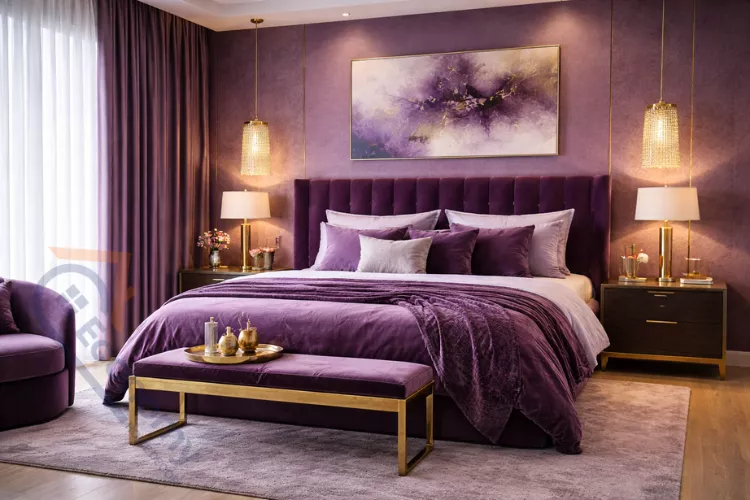
Velvet Everywhere: If there’s one material that amplifies purple’s luxurious qualities, it’s velvet. A deep purple velvet upholstered bed creates an instant focal point. I often design entire seating areas in luxury bedrooms using purple velvet accent chairs or channel-tufted benches at the foot of the bed.
Metallic Pairings: Gold and brass fixtures look extraordinary against purple. Replace standard chrome hardware with brushed gold drawer pulls, install brass wall sconces, and select gold-framed mirrors. The warm metallic tones make purple appear richer and more saturated.
Layered Lighting: Luxury purple bedrooms need multiple light sources at different heights. Combine a statement chandelier (crystal works beautifully with purple), bedside table lamps with pleated silk shades, and concealed LED strips for mood lighting. This layering prevents purple from feeling flat or one-dimensional.
High-End Textiles: Invest in your bedding. Egyptian cotton sheets in white or cream, a silk or velvet duvet in your chosen purple shade, and an assortment of textured throw pillows in complementary purples and metallics. The tactile experience should match the visual luxury.
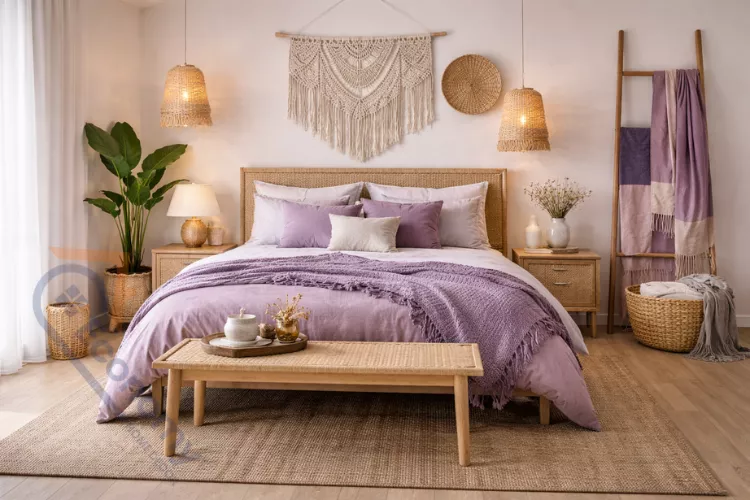
Bohemian design embraces purple’s more mystical, creative qualities. This style allows for pattern mixing and color layering that other aesthetics wouldn’t permit.
Pattern Play: Combine purple in multiple patterns paisley, ikat, suzani, and geometric prints can all coexist in boho spaces. Use purple as a recurring color thread that ties disparate patterns together. A purple and white suzani duvet pairs beautifully with purple ikat pillows and a purple-tinged Persian rug.
Global Textiles: Incorporate purple through globally-inspired textiles. Moroccan wedding blankets often feature purple threading, Indian block-printed bedspreads use purple dyes beautifully, and Turkish kilim rugs frequently include purple geometric patterns.
Layered Approach: Boho purple bedrooms thrive on abundance. Layer multiple purple-toned rugs, hang macramé wall hangings dyed in purple shades, and create gallery walls featuring purple-hued artwork and textiles. The goal is collected-over-time rather than perfectly coordinated.
Natural Elements: Balance purple’s intensity with natural materials. Rattan headboards, woven baskets, driftwood mirrors, and plenty of plants create organic counterpoints to purple’s saturated richness.
For clients seeking intimate, romantic atmospheres, purple offers unmatched potential. The key is working with purple’s softer, warmer expressions.
Warm Undertones: Choose purples that lean slightly toward pink or red rather than blue. Mauve, dusty rose-purple, and warm lilac create softer, more romantic effects than cool-toned lavenders.
Soft Lighting: Romance requires dim, warm lighting. Install wall sconces with fabric shades that diffuse light softly, use table lamps with pink or cream-colored bulbs, and consider adding string lights or candles for ultimate coziness.
Fabric Abundance: Layer soft fabrics generously. A upholstered headboard in velvet or linen, multiple throw pillows in varying textures, a plush area rug, and floor-length curtains in sheer purple-tinted fabric all contribute to the enveloping comfort romantic bedrooms require.
Curved Lines: Romantic purple bedrooms benefit from curved rather than angular furniture. Look for rounded headboards, oval mirrors, and furniture with gentle curves rather than sharp corners. This softens the overall effect and enhances the dreamy quality purple naturally provides.
Small bedrooms present specific challenges, but purple can actually help solve several common spatial issues when applied strategically.
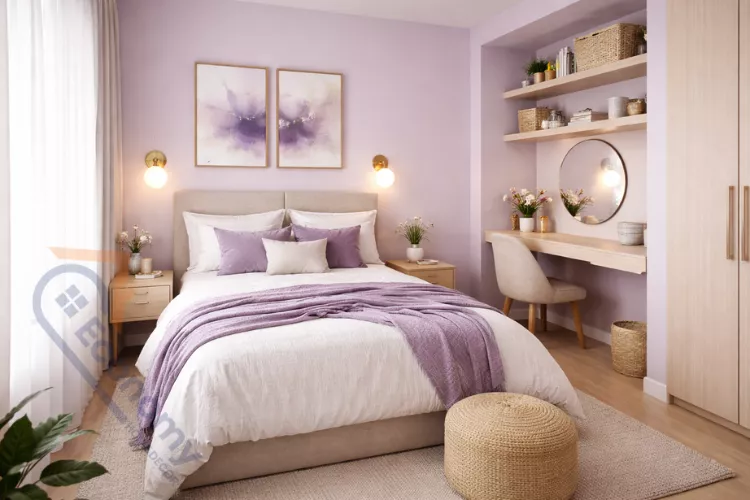
Pale purples particularly those with significant white or gray content can make small bedrooms feel larger. Light lavender-gray on all four walls creates a gentle, receding effect that visually expands boundaries. Unlike pure white, which can feel stark in small spaces, these soft purples add character while maintaining airiness.
I recently designed a 10×10 bedroom using Benjamin Moore’s “Purple Cream” on all walls. The barely-there purple tint added sophistication without the weight darker colors would impose. Combined with white trim and light wood flooring, the room felt substantially larger than its actual dimensions.
For small bedrooms, I often recommend placing your purple accent wall behind the bed. This creates a focal point that draws the eye horizontally rather than emphasizing the room’s limited depth. Choose a medium-to-deep purple for this wall while keeping remaining walls in very light neutrals.
Pro tip: In small spaces, extend your purple accent color onto the ceiling above the bed as well. This creates a canopy effect that makes the sleeping area feel intentionally cozy rather than accidentally cramped.
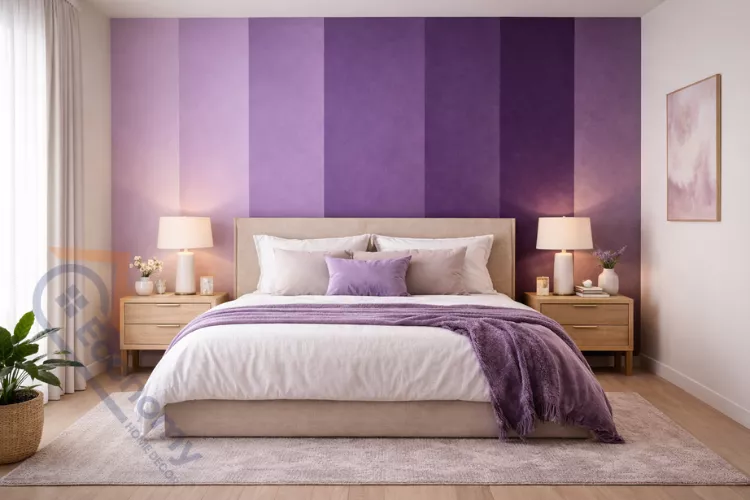
Want to make a small purple bedroom feel taller? Paint vertical stripes in alternating shades of purple and cream. Use a pale purple and off-white for subtle effect, or create drama with lavender and deep plum. The vertical lines draw the eye upward, creating the illusion of higher ceilings.
Sometimes the smartest approach in tiny bedrooms is keeping walls neutral and introducing purple exclusively through easily changeable elements: bedding, artwork, curtains, and accent furniture. A white room with purple bedding and a purple velvet chair provides color impact without permanent commitment important in small spaces where color mistakes feel magnified.
Pairing purple correctly makes the difference between sophisticated and overwhelming. These combinations have proven successful across hundreds of projects.
This is my most-recommended combination for contemporary bedrooms. Gray neutralizes purple’s intensity while maintaining visual interest.
Light combination: Pale lavender walls with medium gray upholstered headboard, charcoal accent pillows, and silver metallic accessories. This reads modern and calming.
Dark combination: Charcoal gray walls with deep purple velvet bedding and brushed nickel fixtures. This creates dramatic, masculine-leaning elegance perfect for adult bedrooms.
The undertone rule: Ensure your gray has cool (blue or purple) undertones. Warm grays with brown or beige undertones clash with purple, creating muddy, unresolved color schemes.
White provides maximum contrast, allowing purple to fully express itself. This combination works across all design styles.
For traditional spaces: Use warm whites or creams with medium purples like violet or amethyst. Add warm wood tones and brass fixtures for timeless appeal.
For modern spaces: Pair cool whites with either very pale lavenders or deep eggplants. Keep lines clean and minimal for contemporary effect.
Proportion matters: In purple and white bedrooms, I typically recommend 60% white, 30% purple, and 10% accent colors (metallics or wood tones). This prevents purple from overwhelming while giving it proper prominence.
Gold’s warm richness makes purple appear more saturated and expensive. This combination screams luxury and works best in larger bedrooms with good natural light.
Application strategy: Use purple as your dominant color (walls or large furniture pieces) and gold as your accent through hardware, lighting fixtures, mirror frames, and small accessories. A deep plum wall with gold-framed artwork and brass table lamps creates sophisticated opulence.
Modern gold option: For contemporary spaces, use brushed or matte gold finishes rather than shiny brass. This updates the traditional purple-gold combination for current design sensibilities.
Black grounds purple, creating schemes with remarkable visual strength. This combination suits confident designers willing to embrace drama.
Execution approach: Use black sparingly perhaps 15-20% of the room. A black iron bed frame against medium purple walls, black-framed artwork, and black accent pillows create intentional contrast without feeling heavy.
Balancing act: Include plenty of white or cream to prevent the purple-black combination from feeling too dark. White bedding, light curtains, and pale area rugs provide necessary visual relief.
Purple and green are complementary colors, creating vibrant energy when paired. However, this combination requires careful shade selection.
Successful pairings: Soft lavender with sage green creates serene, garden-inspired spaces. Deep purple with emerald green produces jewel-toned luxury. Avoid pairing bright purples with bright greens the effect is typically too stimulating for bedrooms.
Natural integration: Bring this combination to life through plants. A purple bedroom filled with greenery feels balanced and alive. The living plants soften purple’s intensity while providing air purification benefits.
Since purple contains blue, these colors naturally harmonize. This combination is one of the safest for bedroom applications.
Tone consideration: Pair cool purples (lavender, periwinkle) with blues for cohesive calm. Use navy with lighter purples for classic nautical-inspired schemes, or combine dusty purple with powder blue for vintage-inspired romance.
Gradient technique: Create an ombré effect using purple transitioning into blue. This works beautifully on accent walls or through graduated bedding layers.
Many people hesitate to use purple because they fear it will dominate the space. These techniques let you incorporate purple beautifully while maintaining balance.
A single purple accent wall provides substantial color impact while keeping 75% of your room neutral. I recommend placing this wall behind your bed it creates a built-in headboard effect and focuses attention on your room’s natural focal point.
Shade selection for accent walls: Go bolder than you’d choose for all four walls. A color that seems too intense in a large sample can look perfectly balanced when contained to one wall. Test your chosen purple on a 3×3 foot section before committing.
Your most flexible purple integration method is through changeable elements. A purple duvet, throw pillows, curtains, and area rug deliver significant color without permanent commitment.
Seasonal rotation: I often design bedrooms with neutral walls and swap bedding seasonally. Deep purple velvets in winter, light lavender linens in summer. This keeps the room feeling fresh and allows you to adjust purple’s intensity based on changing preferences.
The 60-30-10 rule: Apply this classic design principle to purple bedrooms. If using purple in textiles: 60% neutral (white or gray bedding base), 30% purple (duvet or quilt), and 10% accent color (gold, green, or additional purple shade in pillows).
A single piece of purple furniture creates a focal point without overwhelming. Consider a purple upholstered headboard, a pair of purple velvet accent chairs, or a purple tufted bench at the foot of your bed.
Quality over quantity: One beautiful purple velvet chair makes more impact than multiple lower-quality purple accessories. Invest in substantial pieces that justify their color boldness through excellent craftsmanship.
Purple artwork against neutral walls provides color impact with easy reversibility. Large-scale abstract pieces incorporating purple plus complementary colors work particularly well.
Gallery wall technique: Create a gallery wall using artwork in varying sizes, all containing purple elements but in different shades and contexts. This sophisticated approach distributes purple throughout the wall space without concentrating it in one overwhelming piece.
Lighting dramatically affects how purple appears. Warm-toned bulbs (2700-3000K) make purple appear more welcoming and less stark. Cool-toned bulbs (4000K+) emphasize purple’s blue undertones, creating more dramatic effect.
Dimmer switches are essential: Purple bedrooms need lighting flexibility. Install dimmers on all light sources so you can adjust intensity based on time of day and activity. Purple that feels perfect at evening relaxation time might seem too intense under bright morning light.
Through years of correcting poorly executed purple bedrooms, I’ve identified these recurring errors.
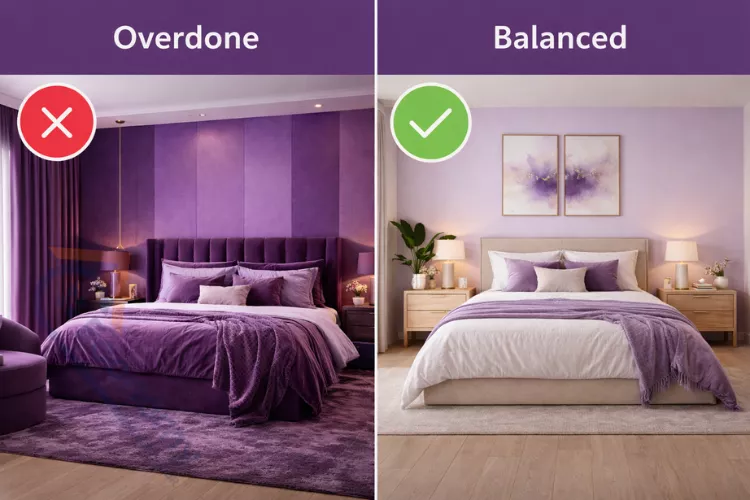
The most common mistake is using purple on every possible surface. Purple walls, purple furniture, purple bedding, purple curtains, and purple accessories create visual chaos rather than cohesion.
The fix: Choose one or two primary purple applications (perhaps walls and bedding) and use neutrals everywhere else. Purple should feel intentional, not accidental or overwhelming.
Purple contains red and blue in varying proportions. Purples with strong red undertones (like mauve or dusty rose-purple) clash with purples containing strong blue undertones (like periwinkle or lavender-blue). Mixing these creates color dissonance.
The solution: Determine whether your primary purple leans warm (red undertones) or cool (blue undertones), then ensure all additional purple elements share those same undertones. This creates harmony even when using multiple purple shades.
Purple is notoriously lighting-sensitive. A purple that looks perfect in the paint store under fluorescent lights might appear completely different in your bedroom’s natural light.
Prevention strategy: Purchase sample pots and paint large swatches (at least 2×2 feet) on different walls. Observe these samples over several days, noting how they appear in morning natural light, afternoon sun, and evening artificial light. Purple can shift dramatically based on lighting conditions.
I’ve worked with numerous clients who chose purple because it was trendy, not because they genuinely connected with it. If you don’t naturally gravitate toward purple in clothing, art, or accessories, it might not be the right bedroom color for you.
The authenticity test: Live with purple accents (throw pillows, artwork, flowers) before committing to walls or major furniture. If you consistently enjoy seeing these purple touches, you’re likely ready for larger purple applications.
Purple needs visual breaks. A room featuring purple walls, purple carpet, purple bedding, and purple curtains offers no resting places for the eye.
Creating relief: Include substantial neutral areas. If you’re using purple walls, choose crisp white trim, neutral flooring, and cream or gray bedding. These neutral zones let viewers appreciate the purple rather than feel overwhelmed by it.
Not all purples suit all bedrooms. These professional considerations ensure you select the ideal shade.
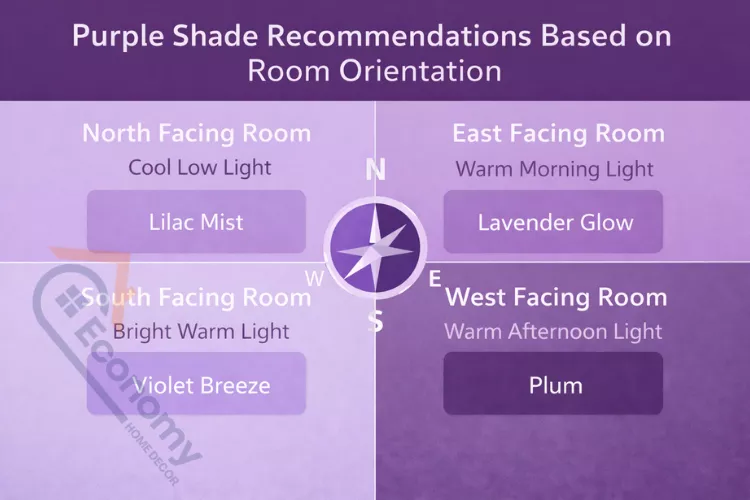
North-facing bedrooms receive cool, consistent light throughout the day. These rooms can handle warmer purples (those with red or pink undertones) because the cool natural light balances the warmth. Consider mauve, dusty purple, or warm lilac.
South-facing bedrooms flood with warm, bright light. These spaces suit cooler purples with blue undertones lavender, periwinkle, or violet. The warm sunlight prevents these cool purples from feeling too stark.
East-facing bedrooms get strong morning light and dim afternoon light. Choose medium-intensity purples that look good in both conditions. Avoid very pale purples (they’ll wash out in bright morning sun) and very dark purples (they’ll feel heavy in dim afternoon light).
West-facing bedrooms receive warm, intense afternoon and evening light. Cool-toned purples work beautifully here, as the warm evening light adds warmth while the purple’s blue undertones maintain sophistication.
Small bedrooms (under 150 sq ft): Stick with light or medium purples. Pale lavender, light violet, or soft lilac expand visual space while adding color personality.
Medium bedrooms (150-250 sq ft): You have flexibility for medium to deep purples. Consider accent walls in deeper shades with remaining walls in lighter tones.
Large bedrooms (over 250 sq ft): Deep, saturated purples work beautifully in spacious rooms. Eggplant, plum, and royal purple create cozy intimacy in otherwise cavernous spaces.
Standard 8-foot ceilings: Use lighter purples to prevent the room from feeling compressed. If using darker purple, apply it only to lower walls with white or cream above a chair rail.
9-10 foot ceilings: This goldilocks height accommodates most purple shades. Feel free to experiment with darker purples without spatial concerns.
High ceilings (11+ feet): Deep purples help bring the ceiling down visually, creating more intimate proportions. Consider extending your deep purple onto the ceiling for dramatic effect.
Purchase sample pots of your top three purple choices. Paint 2×2 foot swatches on different walls one that receives direct light, one in shadow. Live with these samples for at least a week, observing them at different times and in different lighting conditions.
Take photos of your samples both in daylight and artificial light. Sometimes our eyes adjust to colors in ways that make objective assessment difficult; photos reveal how the purple truly reads.
If you’re drawn to a specific purple object perhaps a fabric swatch, a piece of art, or a paint chip from another source bring it to a paint store offering color-matching services. This ensures your walls perfectly complement your inspiration source.
Yes, when executed properly. Light to medium purples with blue undertones (lavender, soft violet, lilac) promote relaxation and can support healthy sleep. Research on color psychology indicates these shades have calming properties similar to blue, which is widely recognized as sleep-supporting.
However, very bright or deeply saturated purples with red undertones can be stimulating rather than relaxing. If you’re drawn to dramatic deep purples, consider using them on accent walls or through bedding rather than covering all walls. This provides visual interest without creating an overly stimulating sleep environment.
The key is ensuring your purple feels calm to you personally. Color responses are somewhat individual if a particular purple makes you feel peaceful, it’s likely a good choice for your bedroom regardless of general guidelines.
Absolutely, with thoughtful application. Light purples particularly those with gray or white undertones can actually make small bedrooms feel larger by adding subtle color interest without visual weight. Shades like “purple cream,” “pale lavender,” or “lilac gray” work beautifully in compact spaces.
For small bedrooms, I recommend either painting all walls in a very light purple or creating a single accent wall in a medium purple with remaining walls in white or pale gray. Avoid using dark purples on all walls in small spaces unless you specifically want a cozy, enveloping atmosphere.
The most successful purple bedroom pairings include:
Gray – provides neutral balance and modern sophistication
White/Cream – creates clean contrast and prevents purple from overwhelming
Gold/Brass – adds luxury and warmth
Green – offers complementary natural harmony
Blue – creates cohesive, serene combinations
Black – provides bold, contemporary edge (use sparingly)
The best choice depends on your desired atmosphere. For calm and relaxation, pair purple with gray or white. For luxury, combine purple with gold. For personality and vibrancy, try purple with green or blue.
Not at all purple has firmly established itself in modern design. The key is using purple with the clean lines, intentional negative space, and balanced proportions that define modern aesthetics.
Modern purple bedrooms often feature a single deep purple accent wall against white or light gray, minimal furniture in natural materials, and strategic metallic accents. This controlled application prevents purple from feeling heavy or dated while embracing its dramatic potential.
Many contemporary designers actually prefer deeper purples (plum, eggplant, aubergine) for their sophisticated, unexpected quality. When paired with modern furnishings and proper lighting, these rich purples feel current and intentional rather than dark or oppressive.
Yes, mixing purple shades creates sophisticated depth when done correctly. The key is ensuring all your purples share the same undertones (all warm or all cool) and varying the intensity rather than the hue.
For example: pale lavender walls, medium violet bedding, and deep purple accent pillows work beautifully together because they’re all cool-toned purples at different saturation levels. This creates tonal harmony.
Avoid mixing warm purples (mauve, dusty rose-purple) with cool purples (lavender, periwinkle) in the same space. The undertone clash creates visual confusion rather than intentional layering.
For accent walls, choose a purple at least 2-3 shades darker than you’d use for all four walls. The accent wall should create clear contrast against your other walls while complementing your overall color scheme.
Popular accent wall choices include:
Medium violet for modern spaces with white other walls
Deep plum for traditional or luxury bedrooms with cream walls
Eggplant purple for dramatic contemporary rooms with gray walls
Soft lavender for romantic spaces with white or pale pink walls
Always paint your accent wall behind the bed this creates a natural focal point and frames your headboard beautifully.
Purple bedrooms represent more than a design trend they reflect our collective desire for spaces that balance tranquility with personality, luxury with accessibility, and calm with creativity. Throughout my decade of designing bedrooms, I’ve watched purple transform from a color clients approached cautiously to one they actively request and celebrate.
The beauty of purple lies in its extraordinary range. Whether you’re drawn to whisper-soft lavenders that barely register as color, confident violets that command attention, or mysterious deep plums that create cocooning luxury, there’s a purple expression that aligns with your personal style and sleep needs.
Remember that successful purple bedrooms aren’t about following rigid rules they’re about understanding principles and adapting them to your unique space and preferences. Trust your instincts. If a particular shade of purple makes you feel peaceful, creative, or joyful, it’s the right choice regardless of current trends.
Start small if purple feels intimidating. Add purple through easily changeable elements like bedding, throw pillows, or artwork. As you become comfortable with how purple functions in your space and lighting, you can expand to larger applications like accent walls or furniture.
Purple bedrooms invite us to be bold, to embrace color’s emotional power, and to create sleeping spaces that feel truly personal rather than generically pretty. In an era of beige-everything safety, choosing purple represents courage, creativity, and confidence qualities that transform not just our bedrooms, but how we experience the time we spend in them.
Your bedroom should be your sanctuary, your retreat, your personal expression of what rest and renewal mean to you. If purple speaks to that vision, embrace it fully. The result will be a space that not only looks beautiful but feels authentically, unmistakably yours.