
Bring Life to Your Living Space
Bring Life to Your Living Space

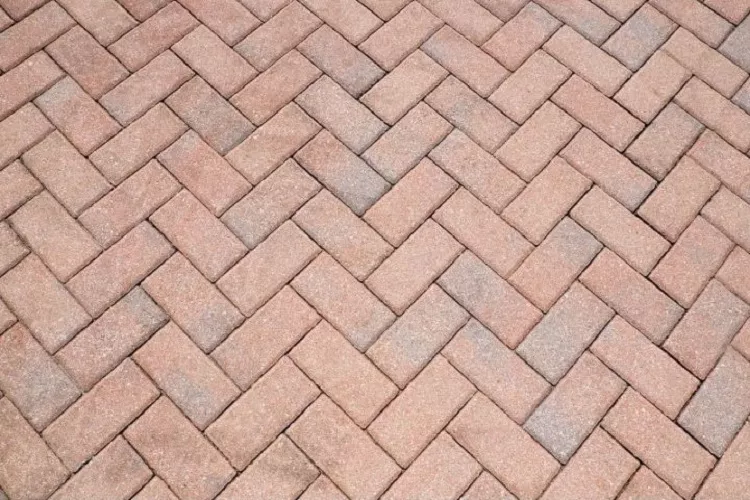
Pavers add timeless charm and practical value to patios, driveways, walkways, and pool decks. With proper care, these surfaces can maintain their beauty and structural integrity for many years. Establishing a maintenance plan early ensures your outdoor spaces retain their appeal and are protected against common issues like stains, weed growth, and shifting. For more details about professional solutions, learn more about specialized paver sealing and maintenance.
Neglecting pavers often leads to fading, cracking, and lingering stains that are difficult to remove. On the other hand, regular and attentive care will keep your investment looking fresh and inviting, avoiding costly repairs down the line. Whether your pavers are concrete, brick, or natural stone, the following steps will help you achieve lasting results.
Proper maintenance routines form the backbone of healthy outdoor living spaces. Not only do clean, well-kept pavers enhance curb appeal, but they also create a safer, more enjoyable environment for gatherings, play, and relaxation.
Routine cleaning remains essential to maintaining your pavers’ appearance. Weekly sweeping and hosing down the surface prevents buildup of dirt, debris, and organic matter. Periodically, you should perform a more thorough cleaning with a gentle detergent and a stiff-bristle brush. Avoid using steel wire brushes, which can scratch and damage the surface. Regular cleaning not only keeps pavers vibrant but also prolongs their lifespan by preventing abrasive particles from causing wear.
Oil, grease, wine, and even fallen leaves can leave stubborn stains if not addressed quickly. Whenever spills occur, act fast with a mild soap, warm water, and a soft brush to blot and lift the stain. For more persistent marks, use a paver-safe commercial cleaner. The key is to avoid letting stains penetrate too deeply, as even sealed pavers can sometimes absorb discoloration. Swift action is the best defense against unsightly stains that can mar an otherwise beautiful surface.
Paver sealant acts as a shield, warding off water, stains, and damaging UV rays. Sealing also intensifies color and adds a slight sheen, enhancing curb appeal. Reseal pavers every 1 to 2 years, or sooner in high-traffic or sun-exposed areas. Sealers come in different finishes, from natural matte to glossy, so you can customize the look to fit your style. Sealing also simplifies regular cleaning, as spills and dirt can be wiped away more easily. For best results, choose high-quality, breathable sealers designed for your specific paver type.
The small gaps between pavers—commonly filled with sand—play a crucial role in stability and water drainage. Over time, this joint sand can erode, allowing weeds and insects to encroach. Replenishing the sand, particularly with polymeric sand, helps secure pavers against shifting and limits weed growth. Polymeric sand hardens when wet, making it exceptionally resistant to washout and movement. Be sure to inspect the joints annually and top up as required to maintain the integrity of your paved area.
Weed seeds and moss spores often settle in paver joints, especially in areas that are damp or shaded. Inspect your pavers regularly for early signs of growth and remove weeds by hand when possible. For stubborn weeds, a natural remedy like a water-and-vinegar solution can help prevent regrowth without damaging nearby plants. Moss tends to grow in wet, low-light spots, so increasing sunlight and improving drainage can reduce its presence. The Environmental Protection Agency (EPA) offers guidance on safe lawn and garden practices, including chemical-free weed-control methods. Maintaining the sand between paver joints helps limit the moisture and soil that weeds and moss need to grow. Routine seasonal cleaning and sealing of your pavers can also prevent debris buildup, keeping your surface looking neat and lasting longer.
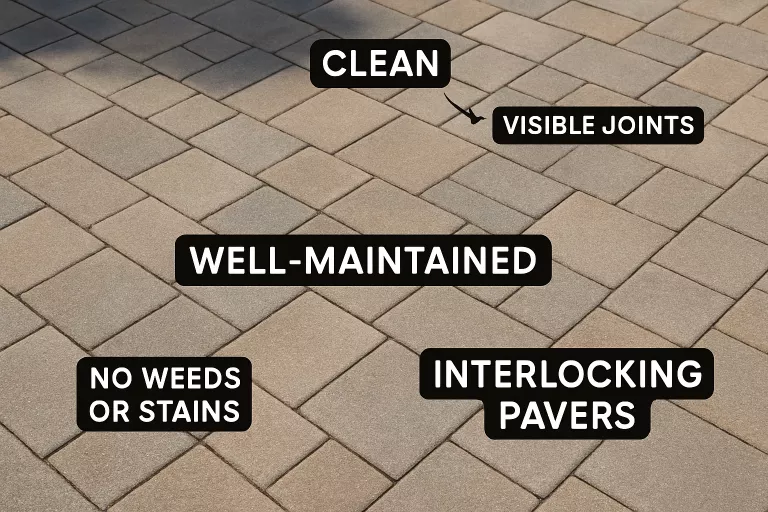
Strong acids, bleach, and harsh degreasers can erode paver surfaces and leach into surrounding soil, harming plants and polluting water sources. Opt for paver-safe cleaners or make your own with diluted white vinegar. Before treating the entire surface, test your cleaning solution on a small, hidden area to check for any unintended effects. Gentler cleaning methods preserve the integrity of your pavers while helping protect the local environment.
Replacing damaged pavers is straightforward compared to repairing poured concrete or asphalt. If a paver becomes chipped, cracked, or stained beyond repair, carefully lift it out and install a matching replacement. This quick fix keeps the surface uniform and prevents trip hazards or further structural issues. Be proactive—addressing minor damage early prevents more costly repairs later.
Although pavers are designed for durability, subjecting them to excessive weight—such as vehicles heavier than a standard car or heavy outdoor furniture—can result in cracks or settlement. Use furniture pads under large planters or grills, and avoid parking trucks or RVs on paved surfaces not designed for that load. Distributing weight helps maintain the level, pristine surface of your patio or driveway for years to come.
With routine maintenance and quick responses to typical issues, your paver surfaces will remain an attractive and functional part of your landscape for many years. Consistent care shields your investment, enhances curb appeal, and ensures that your outdoor spaces continue to provide enjoyment and pride for your household.