Bring Life to Your Living Space
Bring Life to Your Living Space

For homeowners in Pleasantville, NY, regular roof inspections are one of the easiest ways to prevent costly repairs and extend the life of a roof. While many people only think about their roof when there’s a visible leak or storm damage, waiting until a problem appears can lead to much bigger issues. Knowing how often your roof should be inspected can help protect your home year-round.
Most roofing professionals recommend having your roof inspected at least once a year. Annual inspections allow small issues—such as loose shingles, worn flashing, or early signs of water intrusion—to be addressed before they turn into expensive repairs.
In areas like Pleasantville, where homes are exposed to snow, ice, heavy rain, and seasonal temperature changes, yearly inspections are especially important. These weather conditions can slowly wear down roofing materials even when no immediate damage is visible from the ground.
In addition to annual inspections, it’s smart to schedule a roof inspection after major weather events. Strong winds, heavy snowfall, hail, or fallen branches can cause damage that isn’t always obvious right away.
Pleasantville’s winter freeze-thaw cycles can loosen shingles and compromise flashing, while summer storms may lift or crack roofing materials. Catching storm-related damage early can prevent leaks and may also help support an insurance claim if repairs are needed.
The age of your roof plays a major role in how often it should be inspected. Roofs that are 15 years old or older should be checked more frequently—sometimes twice a year—because materials naturally become less durable over time.

Older homes in Pleasantville may also have roofs that were installed under older building standards, making professional evaluations even more valuable. Regular inspections can help you plan for future repairs or replacement instead of being surprised by sudden failures.
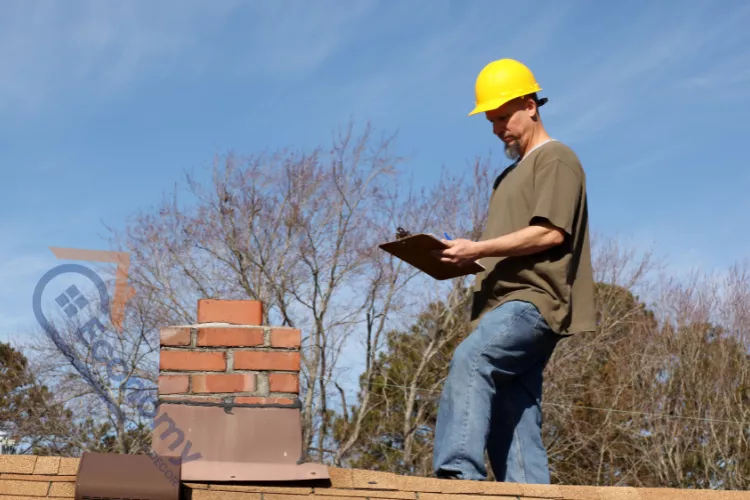
A professional roof inspection typically includes checking shingles, flashing, vents, gutters, and the roof structure itself. Inspectors also look for signs of moisture, sagging, or poor ventilation that could shorten the roof’s lifespan.
If you’ve ever searched online for roofing companies near me, choosing a local contractor can make a big difference. A Pleasantville-based professional understands local building codes and how regional weather affects roofing systems, leading to more accurate recommendations.
Routine roof inspections are a small investment compared to the cost of major repairs or full replacement. Identifying issues early can help homeowners avoid interior water damage, mold growth, and structural problems.
For Pleasantville homeowners, staying proactive with roof inspections means fewer surprises and greater peace of mind—especially during storm season and winter months.
In most cases, your roof should be inspected once a year and after major storms, with more frequent inspections for older roofs. Working with a trusted local roofing professional ensures your home stays protected and your roof performs as it should.
If it’s been a while since your last inspection, now is a good time to schedule one and make sure your Pleasantville home is ready for the seasons ahead.