Bring Life to Your Living Space
Bring Life to Your Living Space

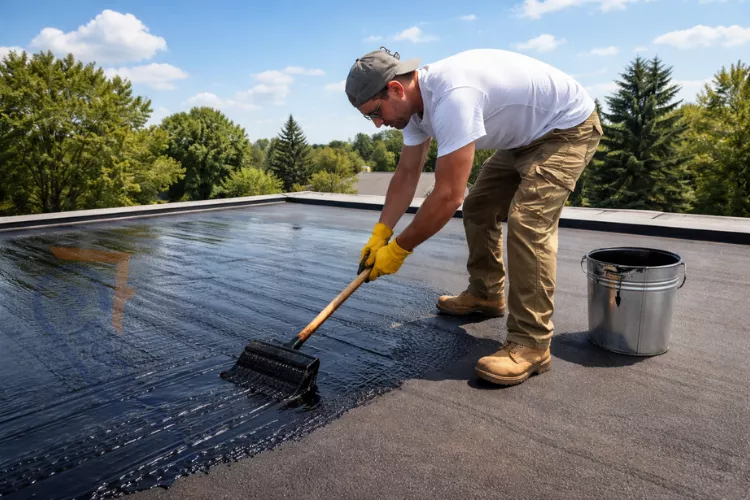
If you’re planning a roof repair or patching job, knowing how long roofing tar takes to dry is critical for successful results. Roofing tar typically takes 8 to 24 hours to dry to the touch, but it can require 48 to 72 hours or even longer to fully cure depending on weather conditions. Understanding the difference between “dry to touch” and “fully cured” can save you from costly mistakes, premature damage, and failed repairs. In this complete guide, we’ll break down exact drying timelines, factors that affect curing, and expert tips to ensure your roofing tar sets properly before rain or foot traffic.

Roofing tar, also called roof cement or bitumen sealant, is a thick, sticky, waterproof substance made from petroleum byproducts. It’s designed to create a durable, weather-resistant seal on roofs. Roofing tar comes in two main forms: cold-applied (ready to use straight from the container) and hot-applied (requires heating before application).
Common uses for roofing tar include:
Roofing tar is popular because it’s affordable, easy to apply, and provides excellent waterproofing. However, its effectiveness depends heavily on proper drying and curing time.
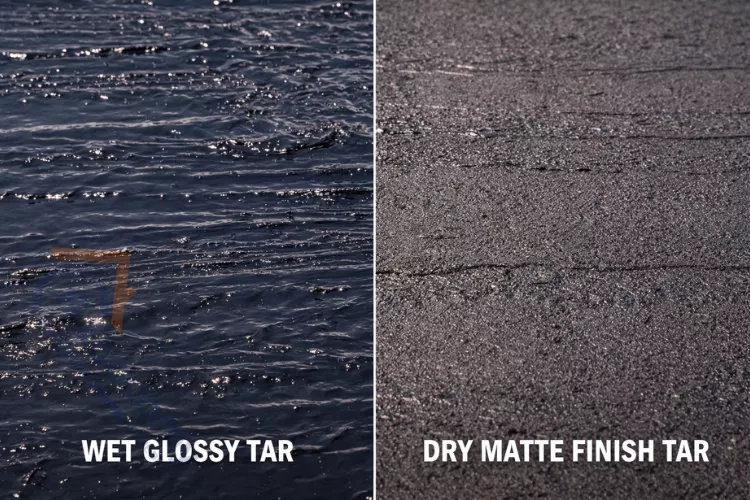
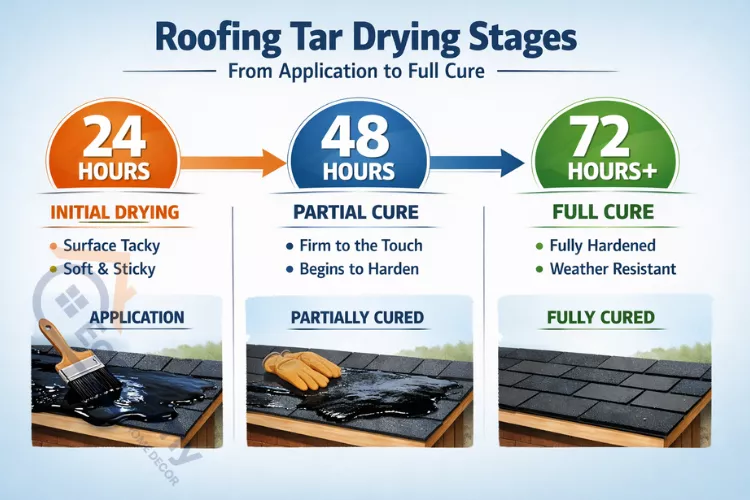
Here’s a quick breakdown of roofing tar drying stages:
Keep in mind that these are general estimates. Actual drying time varies based on temperature, humidity, application thickness, and tar type. Always check the manufacturer’s instructions for specific guidance.
| Condition | Time Range | Notes |
|---|---|---|
| Dry to Touch | 8–24 hours | Surface layer hardens; still soft underneath |
| Light Foot Traffic | 24–48 hours | Can walk carefully; avoid heavy pressure |
| Rain-Resistant | 24–48 hours | Can withstand light rain; heavy rain not recommended |
| Fully Cured | 48–72 hours | Minimum for complete waterproofing |
| Maximum Hardness | 7–30 days | Full chemical cure; maximum durability achieved |
Pro tip: Even if tar feels dry after 24 hours, it’s still vulnerable. Always wait at least 48 hours before exposing it to rain or heavy use.
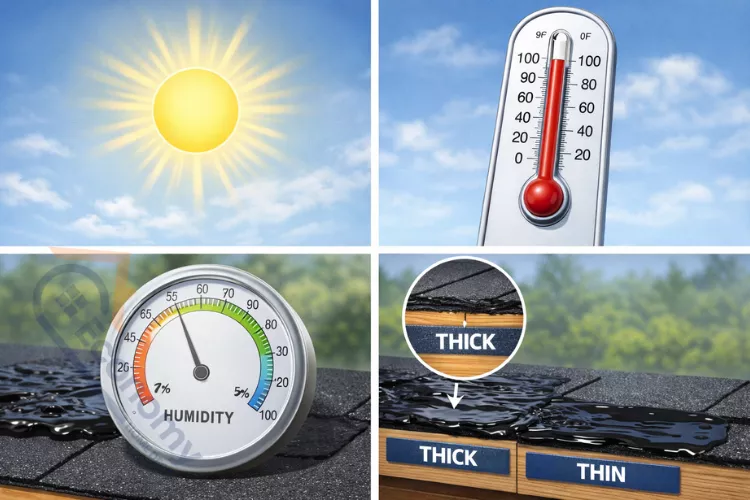
Several environmental and application factors determine how quickly roofing tar dries:
1. Weather Temperature
Temperature is the biggest factor. Roofing tar dries fastest in warm conditions:
Hot weather accelerates drying, but extreme heat (above 95°F) can cause uneven curing or surface bubbling.
2. Humidity Levels
High humidity slows evaporation and extends drying time significantly:
3. Sun Exposure
Direct sunlight helps roofing tar cure faster by warming the surface and promoting evaporation. Shaded areas or north-facing roofs may take 50% longer to dry compared to sunny sections.
4. Thickness of Application
Thicker layers take exponentially longer to dry:
Always apply roofing tar in thin, even layers for best results.
5. Type and Brand of Tar
Different formulations have different drying times:
Always read product labels for manufacturer-specific drying times.
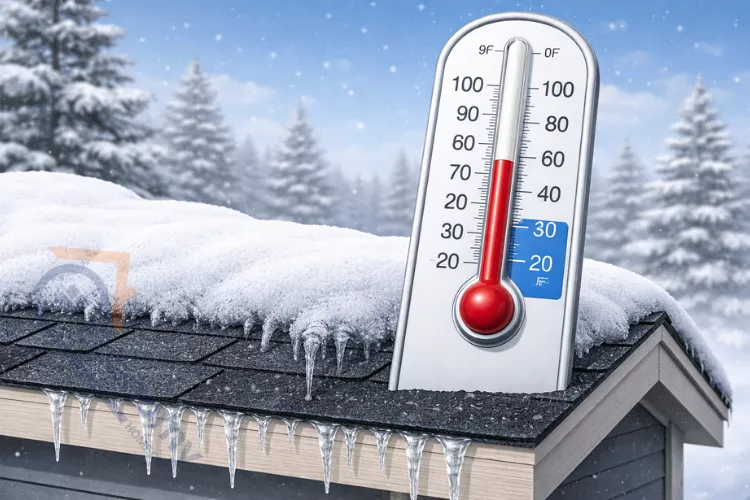
Yes, but with significant limitations. Roofing tar can technically dry in less-than-ideal conditions, but the results may be compromised.
Cold Weather Risks:
Humid Weather Risks:
Ideal Temperature Range: 60°F to 85°F with humidity below 60%
Seasonal Tips:
If you must apply tar in marginal conditions, choose quick-dry formulas and apply the thinnest possible coat.
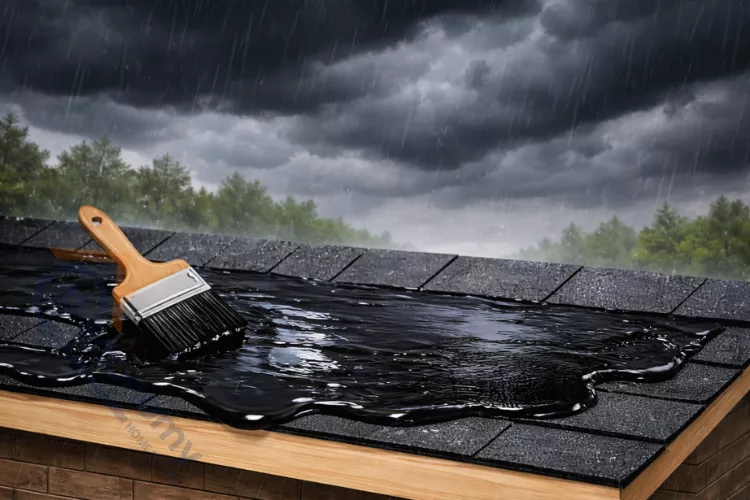
Minimum safe time: 24 to 48 hours of dry weather after application.
Ideally, you want 48 to 72 hours before any rainfall. This ensures the tar has progressed beyond the surface-dry stage and won’t wash away or become compromised.
What Happens If It Rains Too Soon:
Emergency Tips If Rain Is Coming:
Pro tip: Never gamble with weather. One rainstorm can undo hours of work and waste materials.
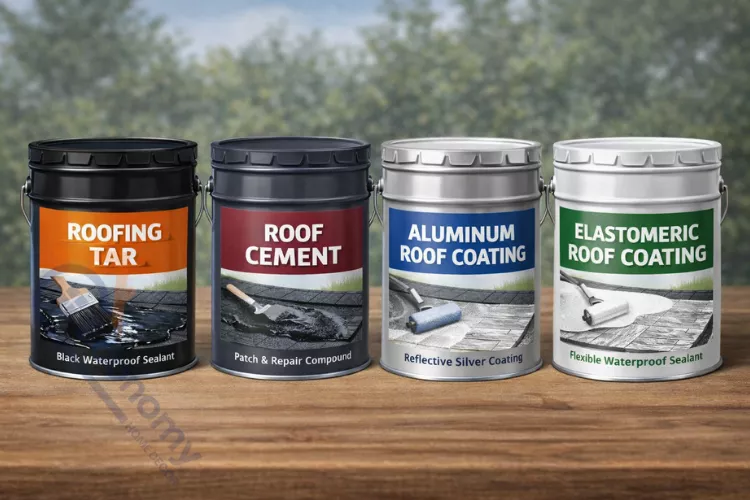
Different roofing products have vastly different drying characteristics:
| Product Type | Dry to Touch | Walk-On Safe | Fully Cured | Best For |
|---|---|---|---|---|
| Roofing Tar (Asphalt) | 8–24 hours | 24–48 hours | 48–72 hours | Patching, flashing, emergency repairs |
| Acrylic Coating | 4–6 hours | 12–24 hours | 24–48 hours | Reflective coating, flat roofs, cooler climates |
| Silicone Coating | 1–2 hours | 6–12 hours | 24–36 hours | Ponding water areas, extreme weather resistance |
| Polyurethane Coating | 8–12 hours | 24–36 hours | 48–96 hours | High-traffic roofs, superior durability |
Key Differences:
Choose based on your specific needs, timeline, and budget.
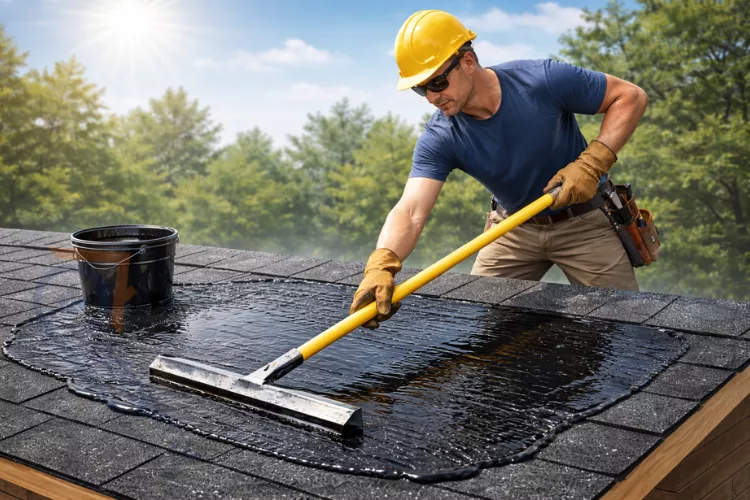
While you can’t rush the chemical curing process, these strategies help optimize drying time:
1. Prepare the Surface Properly
2. Apply Thin, Even Layers
3. Choose the Best Time of Day
4. Maximize Sun Exposure
5. Improve Ventilation
6. Use Quick-Dry Formulas
What NOT to Do:
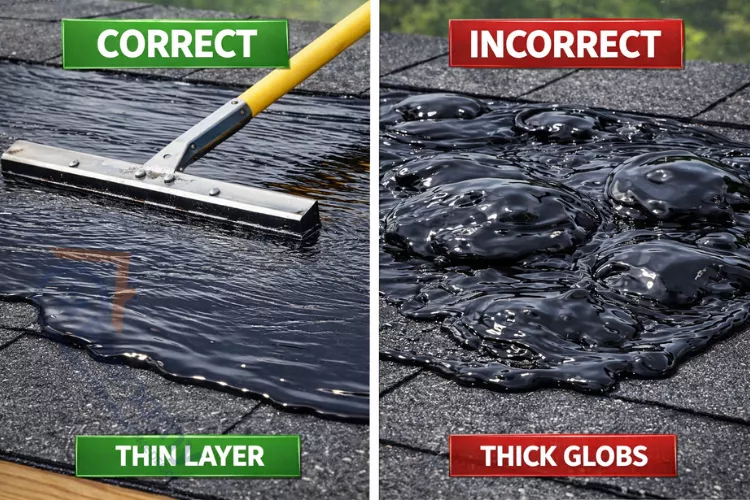
Even experienced DIYers make these critical errors:
1. Applying Tar Too Thick
Thick applications don’t dry evenly. The surface may feel dry while underneath remains soft, leading to cracks, uneven curing, and premature failure. Always apply multiple thin coats instead of one thick layer.
2. Ignoring the Weather Forecast
Checking only the day-of weather isn’t enough. Review the 48-hour forecast minimum before starting. One unexpected rainstorm can ruin your entire job.
3. Walking on Tar Too Early
Even if the surface feels dry after 12–18 hours, it’s still soft underneath. Walking on it can leave permanent impressions, compromise the seal, and reduce lifespan. Wait the full 24–48 hours.
4. Skipping Surface Preparation
Applying tar to dirty, wet, or oily surfaces prevents proper adhesion. The tar may peel away within weeks. Always clean and dry thoroughly first.
5. Using Expired or Low-Quality Products
Old tar becomes too thick or separates, leading to uneven drying and poor performance. Buy from reputable suppliers and check expiration dates.
6. Applying in Wrong Temperatures
Cold weather application is one of the most common mistakes. If the temperature is below 50°F, reschedule or use cold-weather alternatives.
Wait at least 24 to 48 hours before walking on roofing tar. While the surface may feel dry after 12–18 hours, the tar underneath is still soft and vulnerable. Walking too soon can leave permanent footprints, compromise the waterproof seal, and reduce durability. For heavy traffic or equipment, wait a minimum of 72 hours.
No, roofing tar is not waterproof when still wet or uncured. It needs time to harden and form a proper seal. If rain hits fresh tar within the first 8–12 hours, it can wash away or prevent proper curing. Always wait at least 24–48 hours of dry weather after application before any rain exposure for reliable waterproofing.
You can apply roofing tar in winter only if temperatures stay consistently above 50°F (10°C) during application and for 48 hours afterward. Below 40°F, tar becomes too stiff, won’t adhere properly, and may never fully cure. For cold-weather repairs, consider specialized cold-applied sealants or rubberized products designed for winter use.
When properly applied and fully cured, roofing tar typically lasts 10 to 20 years depending on climate, sun exposure, and roof traffic. In harsh conditions (extreme heat, UV exposure, ponding water), lifespan may reduce to 5–10 years. Regular maintenance and recoating every 5–7 years extends longevity significantly.
Roofing tar is considered a semi-permanent solution, not a permanent fix. It’s excellent for emergency repairs, patching small leaks, and sealing flashing, but it’s not a substitute for proper roof replacement or major structural repairs. For small issues, tar can last 10+ years. For temporary fixes, plan for a more permanent solution within 1–3 years.
In optimal conditions (75°F+, low humidity, thin application), roofing tar can become touch-dry overnight (8–12 hours). However, it won’t be fully cured or safe for foot traffic. “Dry overnight” means surface-level drying only. Always allow 24–48 hours minimum before considering the repair complete or exposing it to stress.
If roofing tar doesn’t dry properly due to cold weather, humidity, or thick application, it remains tacky, collects dirt, may never fully harden, and can peel or crack prematurely. The waterproof seal will be compromised, allowing leaks. If tar stays wet-looking after 48 hours in good weather, scrape it off and reapply correctly.
Understanding how long roofing tar takes to dry is essential for successful roof repairs. While tar typically becomes touch-dry within 8 to 24 hours, full curing requires 48 to 72 hours or more depending on weather conditions, application thickness, and product type. Always plan for at least 48 hours of dry weather after application, apply thin coats, work in temperatures between 60°F–85°F, and avoid walking on the surface prematurely. By following these expert guidelines and avoiding common mistakes, you’ll ensure your roofing tar dries properly, creates a lasting waterproof seal, and protects your roof for years to come.