
Bring Life to Your Living Space
Bring Life to Your Living Space

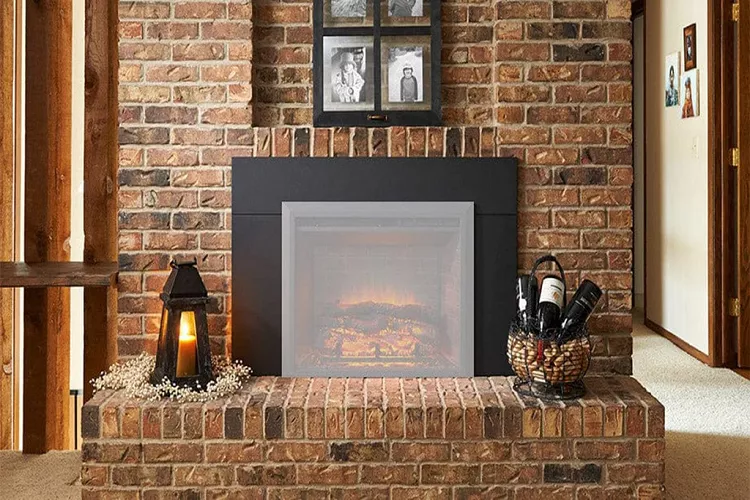
Designing a warm and inviting living space often begins with the fireplace. The hearth, as its foundation, plays a vital role in both safety and style. Selecting the right look and material can transform the atmosphere of a room while ensuring durability and ease of maintenance.
A hearth serves as a protective barrier between the firebox and the floor, preventing heat damage and adding visual balance. Beyond function, it is a decorative element that frames the fireplace and contributes to the overall design of the space.
Different materials offer distinct aesthetic and practical advantages. The choice often depends on interior style, maintenance preferences, and budget.
A granite hearth slab is a popular choice for modern and traditional interiors alike. Its dense composition resists scratches and heat, making it ideal for busy homes. Granite complements various mantel materials, from wood to metal, adding both sophistication and resilience.
Homeowners appreciate that granite can be finished in different textures, from glossy to honed, allowing a customized look that suits their décor. Its neutral tones blend easily with existing color schemes, creating a cohesive design around the fire feature.
The shape and layout of a hearth can significantly influence the overall impression of a fireplace. Choosing the right configuration ensures both comfort and proportion in the room.
The hearth should harmonize with the mantel and surround. Consistency in color, texture, and material enhances visual flow. Contrasting tones, however, can highlight the fire as a focal point. For instance, pairing a dark stone hearth with a light wall finish draws immediate attention to the fireplace.
When planning a fireplace hearth, it is helpful to consider how it interacts with flooring and nearby furniture. Smooth transitions ensure safety while maintaining aesthetic continuity throughout the space.
Durability, cleaning requirements, and heat tolerance are essential factors when selecting a hearth material. Regular sealing may be necessary for porous stones to prevent staining. Measuring accurately before installation avoids uneven edges and ensures compliance with fire safety regulations.
Lighting also affects the perception of color and texture. Natural light emphasizes the grain of materials like granite, while artificial lighting can enhance the warm glow around the fire.
A well-chosen hearth anchors the room and complements both modern and traditional settings. Blending functional performance with aesthetic quality brings lasting satisfaction and comfort. Whether opting for natural stone or another durable surface, thoughtful planning ensures that the fireplace remains a centerpiece for years to come.