Bring Life to Your Living Space
Bring Life to Your Living Space

The bathroom is one of the most essential spaces in any home. It is where we begin and end our day, and it plays an important role in our comfort, health and independence. As our population becomes more diverse and people choose to stay in their homes longer, the idea of designing bathrooms that cater to all ages and abilities has gained momentum. This approach is known as universal design, and it focuses on creating spaces that are functional, safe and beautiful for everyone.
Universal design is not just about accessibility for people with disabilities. It is about thoughtful design that ensures usability for all, including children, older adults and people recovering from injury. The best part is that universal design does not mean clinical or unattractive. With modern trends and innovations, homeowners can create bathrooms that are stylish, inclusive and future ready.
Let us explore the latest universal design trends in Australian bathrooms that are making everyday life easier and more comfortable for everyone.
A key trend in universal bathroom design is the move towards open, spacious layouts. These layouts allow for easy movement, which is especially important for wheelchair users, people using walkers or parents assisting young children. Removing unnecessary partitions and creating a clear flow between the shower, toilet and vanity makes the space feel larger and more welcoming.
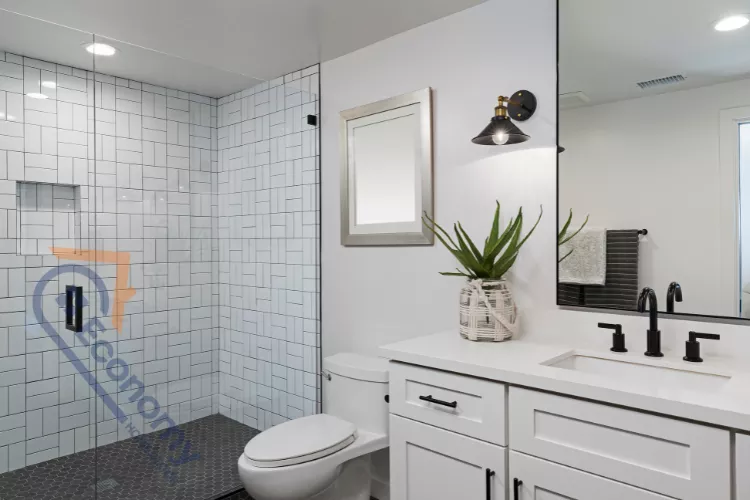
Australian homes are increasingly embracing walk in showers with no step or threshold. These showers not only look modern and elegant but also remove tripping hazards and make the bathroom accessible for people with mobility challenges. The open design can be enhanced with non slip flooring and gentle gradients for drainage, providing both safety and visual appeal.
Walk in showers have become one of the most popular features in contemporary bathrooms. A curbless shower eliminates the step up or down that is often found in traditional designs. This makes it safer for everyone, particularly for older adults or individuals who use wheelchairs or mobility aids.
These showers often include a frameless glass screen or even no screen at all, which not only makes the bathroom easier to clean but also gives it a luxurious and seamless look. The open style creates a sense of flow and accessibility while making the space feel larger. Pairing this with a fold down shower seat and a handheld shower head makes the experience both functional and comfortable.
Flooring plays a crucial role in both safety and comfort. Slippery surfaces are one of the biggest causes of bathroom accidents, so choosing the right flooring material is essential. Non slip porcelain tiles or textured vinyl flooring are excellent choices. These materials provide traction even when wet and come in a wide variety of designs that can mimic natural stone or timber.
For families and older adults, non slip flooring ensures peace of mind. Many Australian homeowners are also opting for flooring materials that are easy to clean and resistant to mould and moisture. This combination of practicality and style reflects the essence of universal design.
Technology is reshaping how we use our bathrooms. Smart fixtures such as touchless taps, automatic soap dispensers and sensor activated lighting not only improve hygiene but also make life easier for those with limited mobility or dexterity. These features are particularly beneficial for households with young children or elderly residents who may have difficulty using traditional fixtures.
Voice activated mirrors and smart toilets with self cleaning functions are also gaining popularity. While these features may sound luxurious, they are quickly becoming mainstream in Australian homes. They add both convenience and accessibility, reducing the need for physical effort and enhancing independence.
In a universally designed bathroom, flexibility is key. Adjustable height vanities or floating vanities provide enough space underneath for a wheelchair user to roll up close to the sink. These designs not only meet accessibility standards but also offer a clean and modern appearance.
Lever style taps are another practical feature. They are easier to operate than twist knobs, making them ideal for people with arthritis or reduced hand strength. For shared bathrooms, adjustable mirrors that tilt or extend can accommodate users of different heights, ensuring comfort for all family members.
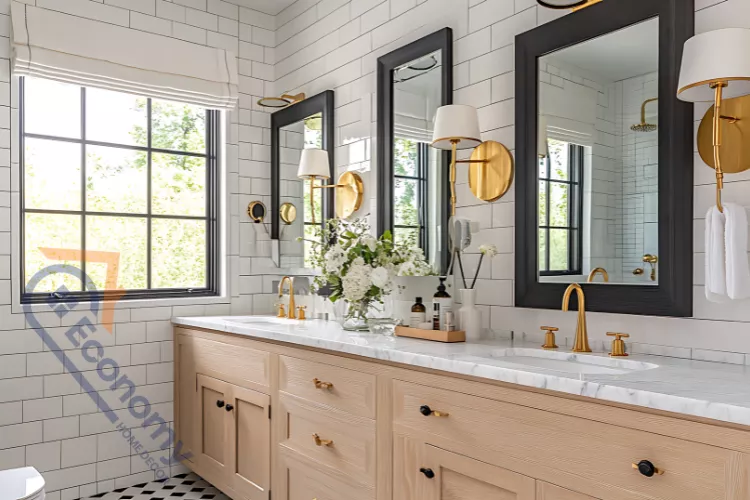
Lighting can make or break a bathroom’s functionality. Good lighting is essential for safety, especially for people with limited vision. A combination of natural light, task lighting and soft ambient lighting can make the space more usable at any time of day.
Colour contrast is another important consideration in universal design. Using contrasting colours for walls, floors and fixtures helps visually distinguish different elements. For example, a darker vanity against a lighter wall can help a person with low vision navigate the space more easily. This attention to detail not only improves safety but also adds depth and character to the bathroom’s design.
Gone are the days when grab rails looked purely functional and industrial. Today’s options are sleek, stylish and available in finishes that match other fixtures, such as matte black, brushed nickel or chrome. Installing grab rails near the toilet and shower area provides essential support without detracting from the overall aesthetic.
Incorporating grab rails from the beginning of a renovation ensures they are placed in optimal positions. Some homeowners also choose to install reinforcing behind walls even if they do not need grab rails right away, allowing for easy installation later. This proactive approach is part of designing for future needs.
A universal bathroom does not have to feel clinical. Adding elements that enhance comfort and wellness creates a space that everyone enjoys using. Heated towel rails, underfloor heating and good ventilation systems improve comfort and hygiene while supporting health and well-being.
Many homeowners are also introducing spa inspired features such as rain shower heads, soothing colour palettes and natural materials like timber and stone. These elements make the bathroom a calming retreat while maintaining its accessibility and functionality.
Universal design also aligns with sustainable living. By designing a bathroom that meets changing needs over time, homeowners reduce the need for future renovations. Choosing durable, high quality materials ensures the bathroom remains safe and beautiful for years to come.
Water saving fixtures and energy efficient lighting also contribute to environmental responsibility and cost savings. In Australia, where water conservation is especially important, these features add both practical and ethical value to any renovation.
Perhaps the most powerful trend in universal bathroom design is the shift in mindset. Rather than designing separate spaces for different age groups or abilities, Australians are embracing the idea of creating bathrooms that work for everyone. A bathroom that is safe for a toddler is also safe for a grandparent. A space that accommodates a wheelchair user is equally convenient for someone carrying groceries or recovering from an injury.
Universal design celebrates inclusion, independence and dignity. It ensures that everyone can use the bathroom with ease, regardless of ability or stage of life.
Universal design is not just a passing trend. It represents a long term approach to creating homes that are functional, flexible and future proof. In Australian bathrooms, this means combining accessibility with elegance, practicality with style and safety with comfort.
Whether you are renovating an existing bathroom or building a new one, considering universal design principles will not only make your space more inclusive but also increase its overall value. A well designed bathroom should welcome everyone today, tomorrow and for years to come.